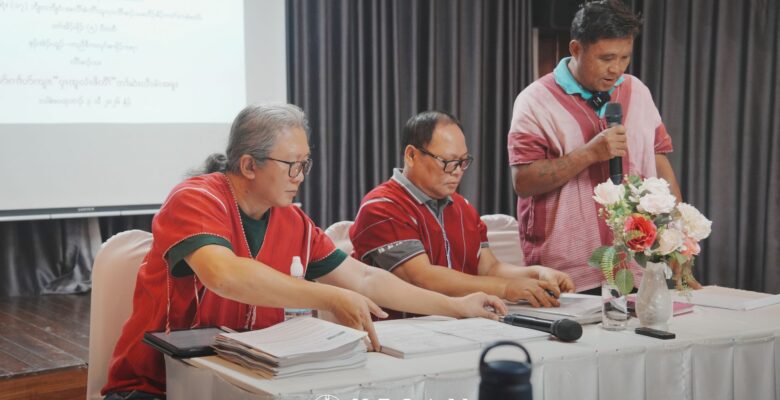
KAWTHOOLEI, 3 September 2026 – The Kawthoolei Central Land Committee (KCLC), a key land governance body of the Karen National Union (KNU), approved and signed customary land certificates for 33 Kaw, covering 380,984 acres of ancestral Karen territories across Kawthoolei, during the final day of the 5th KCLC Meeting held from 1 to 3 September 2026.
Of the 33 Kaw recognized, 23 are located within the ThawThi TawOo Indigenous Park and 10 within the Salween Peace Park. The signing marks an important step in implementing the KNU Land Policy and recognizing Indigenous Karen customary governance.
A Kaw is more than a piece of land. It is an Indigenous Karen territory and governance system that predates modern administrative boundaries. A Kaw includes residential areas, livelihood lands, hunting and gathering areas, protected forests, watersheds, and sacred places, managed through Indigenous Karen knowledge, beliefs, customary rules, and community institutions.
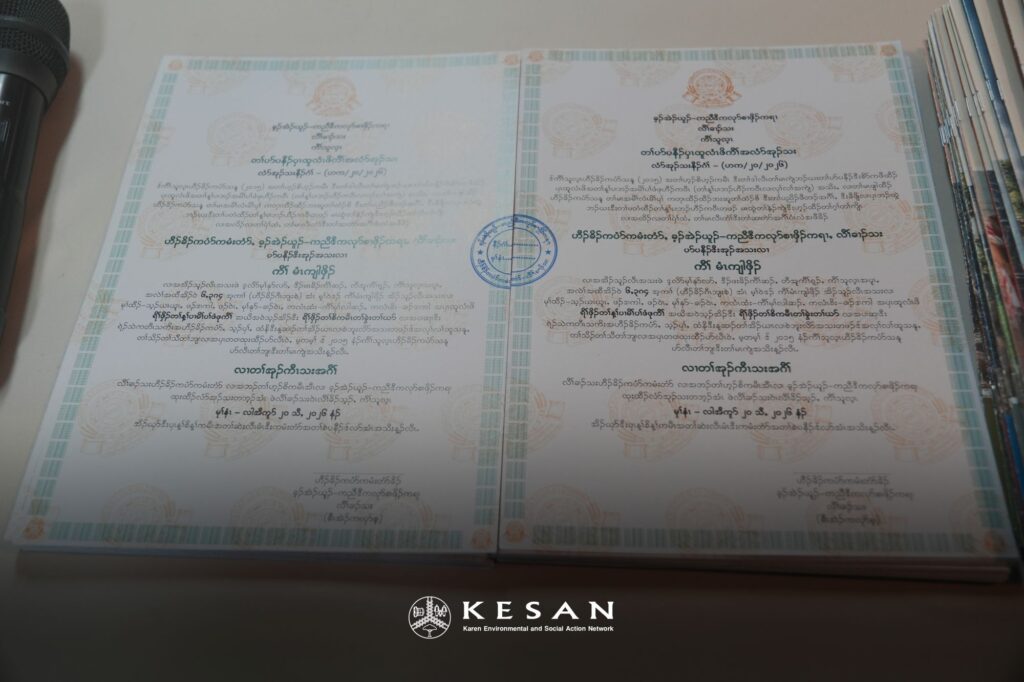
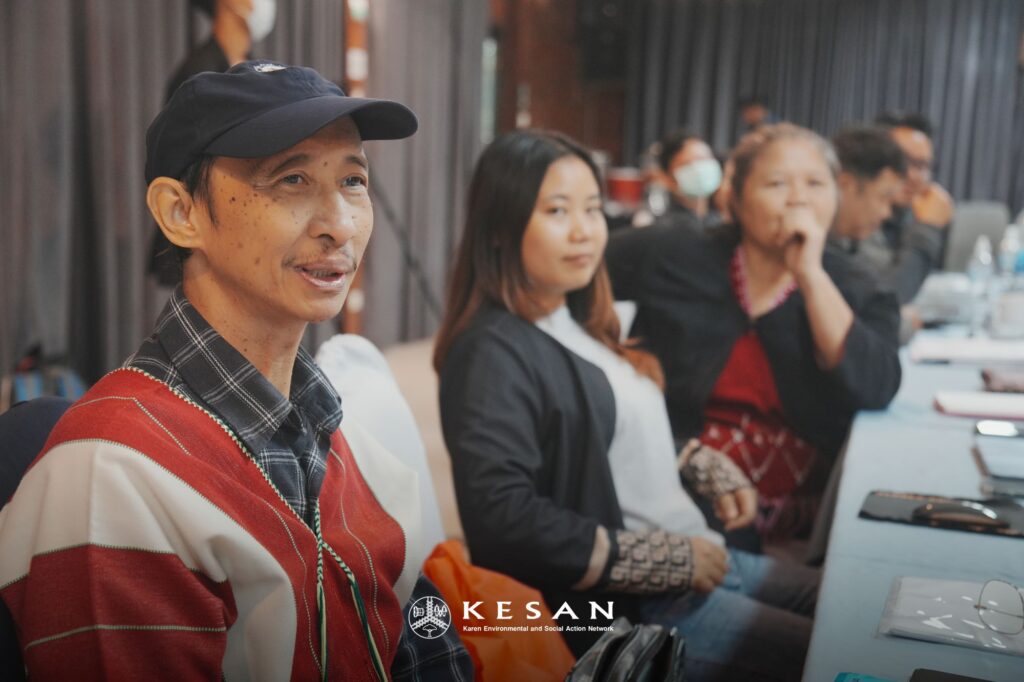
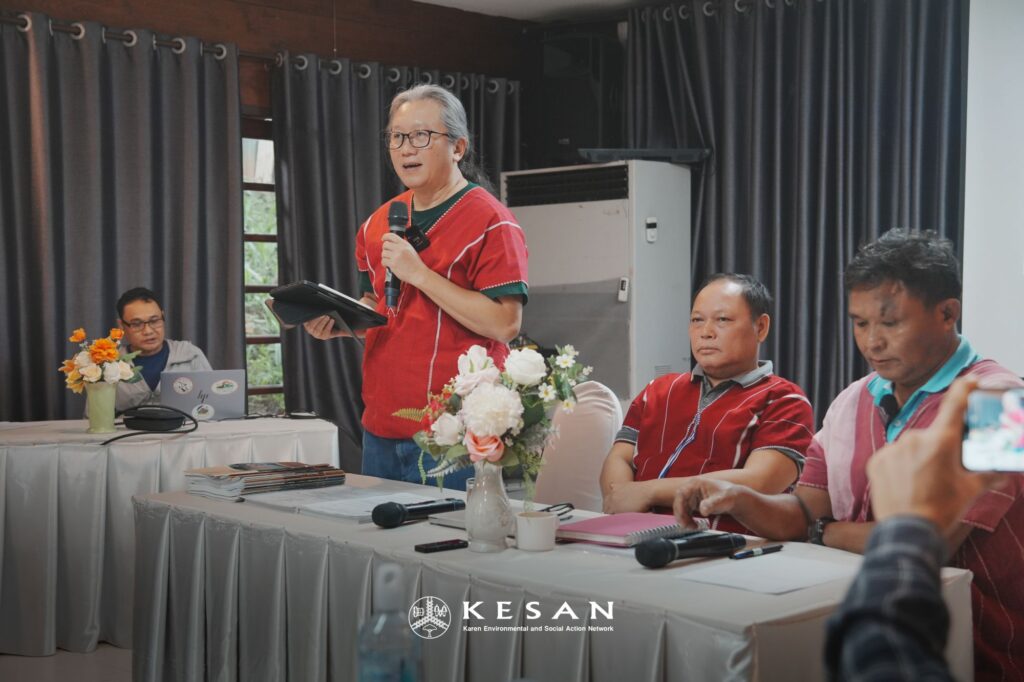
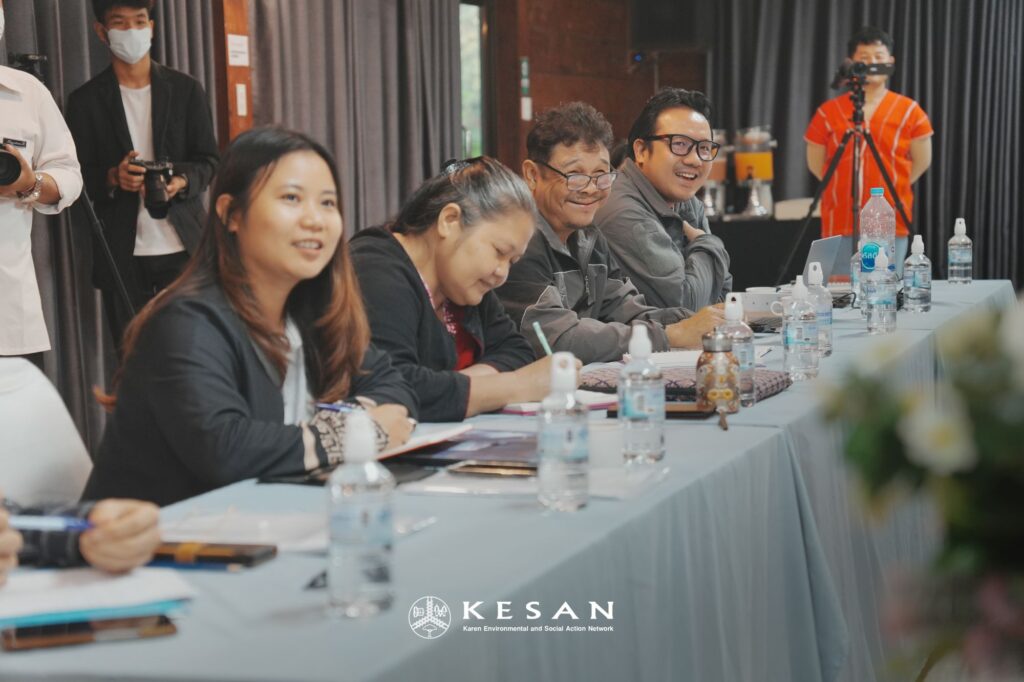
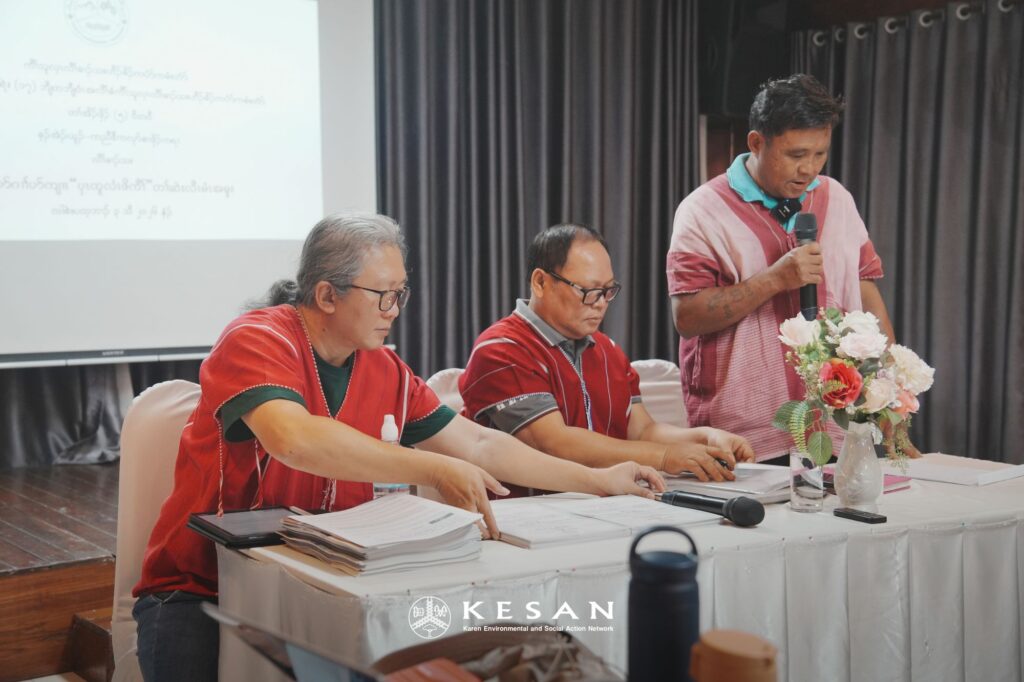
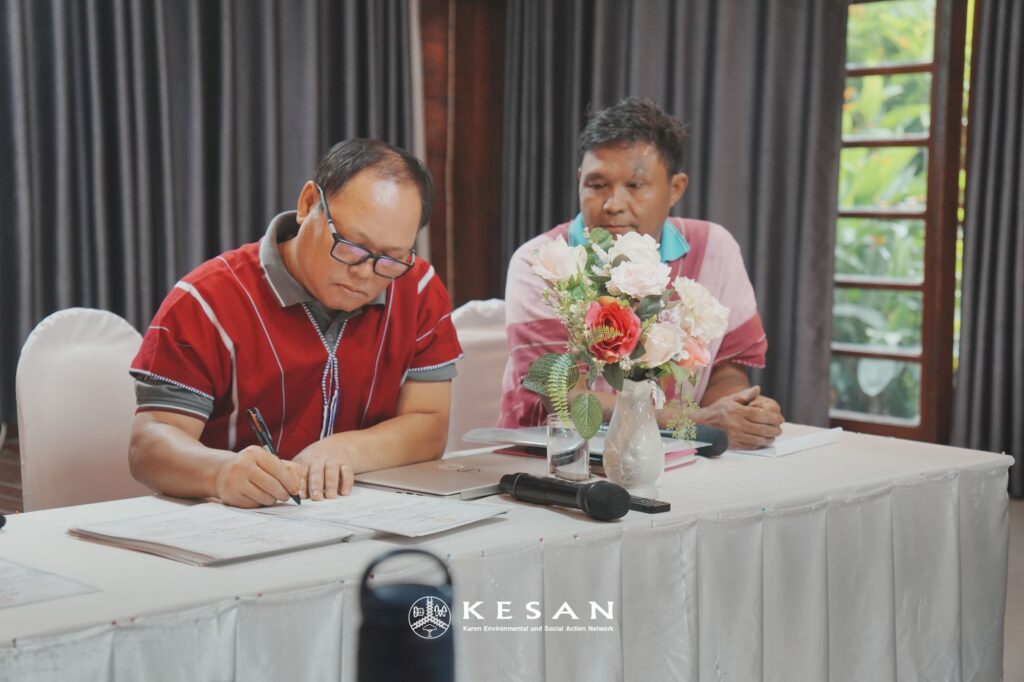
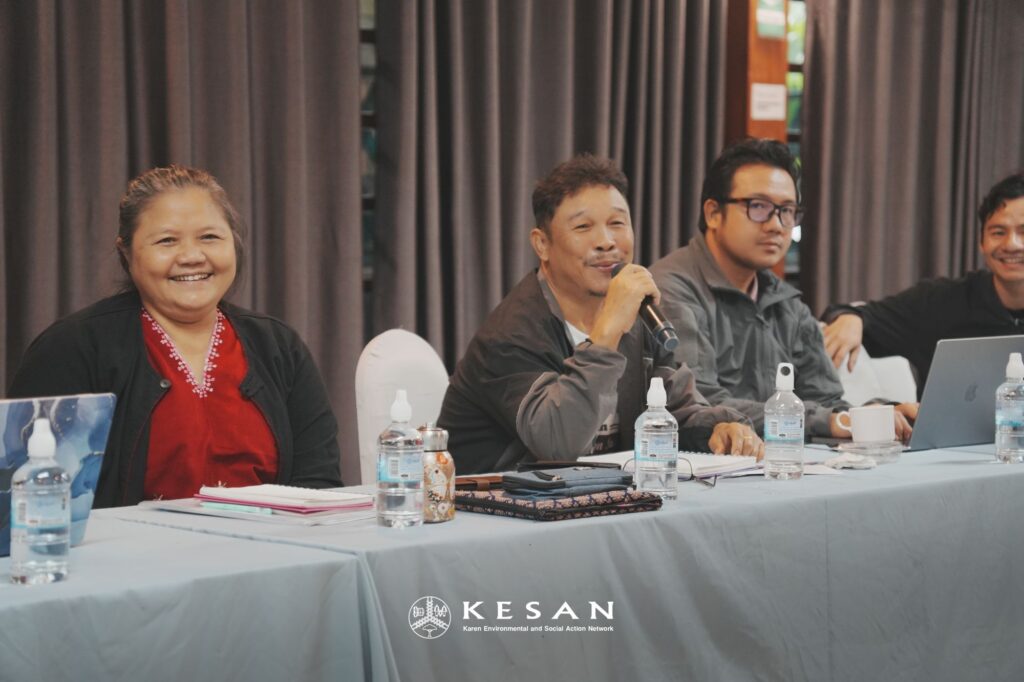
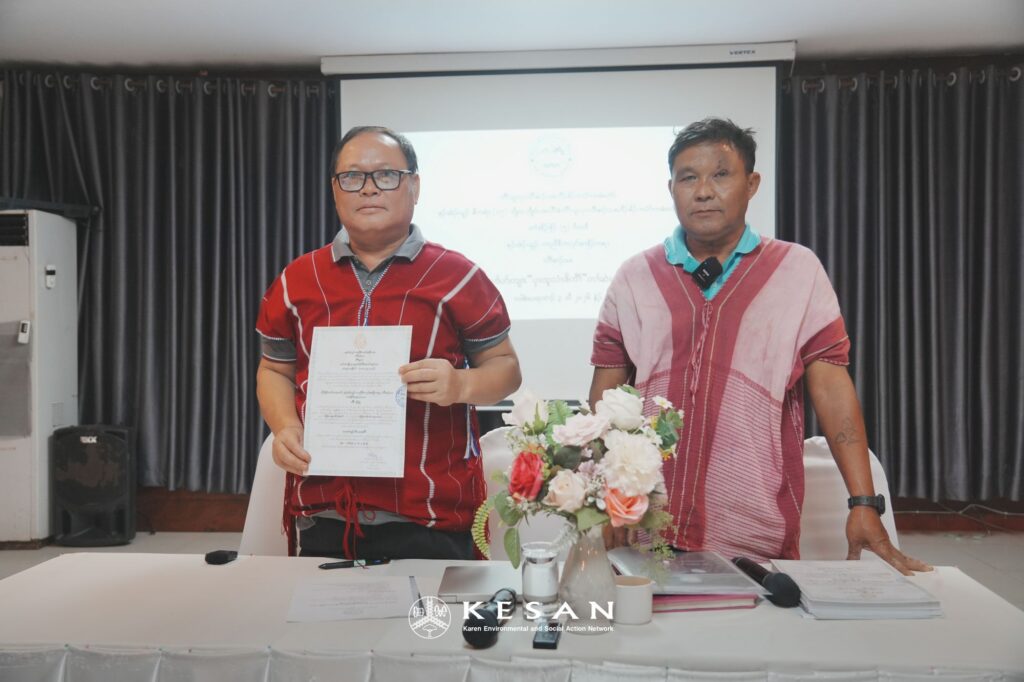
The recognition of these 33 Kaw is not only about land rights. It also affirms the inherent rights of Indigenous Karen communities to govern and care for their ancestral territories, rights that have long been denied by successive governments of Burma.
“At a time of war and ongoing conflict, when reclaiming ancestral territories that were taken by the Burmese military has become a top priority, the KNU is demonstrating that securing land rights for Indigenous communities does not need to wait until the revolution is won. This is a very encouraging step. It shows that the KNU is taking concrete action to recognize and protect the customary land rights of Indigenous Karen communities, even in difficult circumstances. Such commitment deserves recognition and appreciation,”
said Saw Paul Sein Twa, Executive Director of the Karen Environmental and Social Action Network (KESAN).
The approval also holds broader significance for the Karen people’s struggle for self-determination. By recognizing Kaw, the KNU is strengthening community governance and supporting Karen communities’ right to make decisions about their lands, natural resources, culture, and future development.
At the same time, Kaw recognition contributes to global efforts to address climate change. Indigenous-managed territories contain important forests and watersheds that store carbon, protect biodiversity, and sustain ecosystem health. When communities have secure rights over their territories, they are better able to protect these landscapes for future generations.
“We have received around 300 Kaw applications, and today we approved 33 of them. The remaining applications will require further information and review. The signed certificates will be sent to the relevant KNU districts for distribution to the certificate holders. By recognizing communities’ rights to govern and manage their Kaw, we are strengthening their sense of ownership and supporting their efforts to protect their lands and natural resources,” said Padoh Saw Lay Say, Joint Secretary of the Kawthoolei Central Land Committee (KCLC), Karen National Union (KNU).
The recognition of these 33 Kaw demonstrates that Indigenous Karen governance remains a living and practical system for caring for people, land, and nature across Kawthoolei.