For generations, the Karen people have managed and protected their forests through community-based traditions rooted in collective responsibility and long-term care. In most villages, certain forest areas are set aside as community forests, protected not for profit, but for the survival and well-being of present and future generations.
These community forests are governed by the local Indigenous Karen themselves. Harvesting non-timber forest products in the forests is allowed. However, logging, fishing, starting fires, and hunting are strictly prohibited within community forest boundaries.
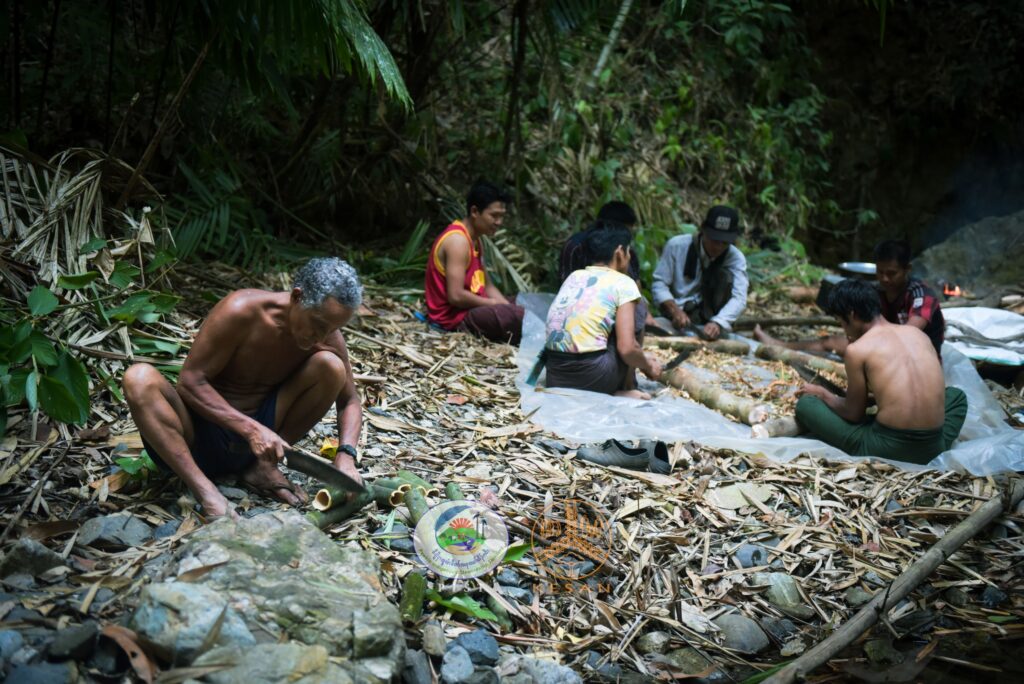
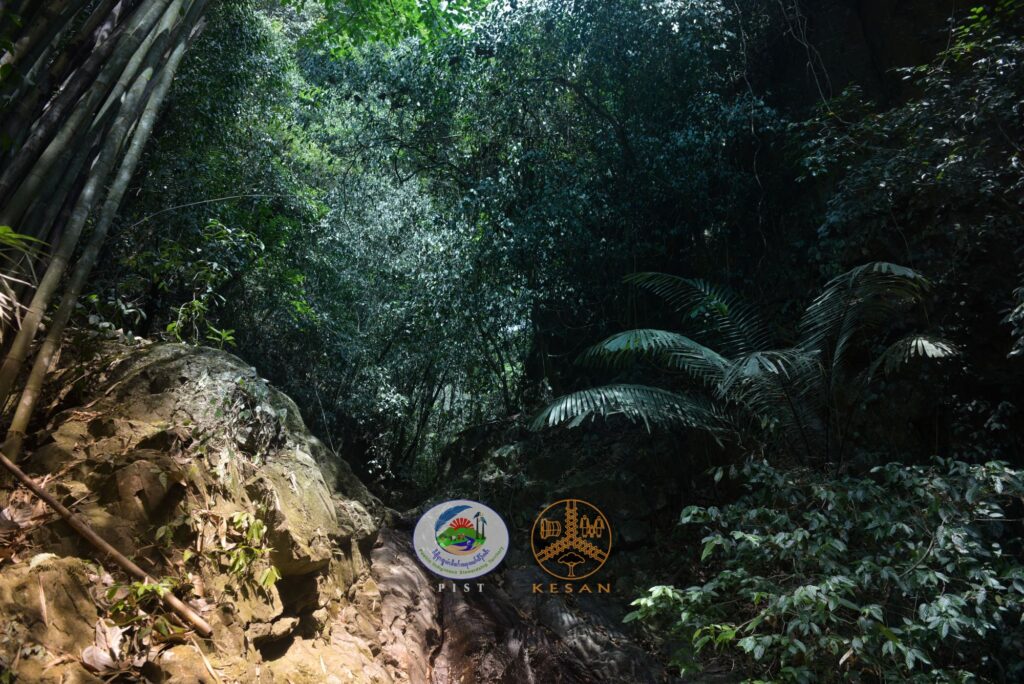
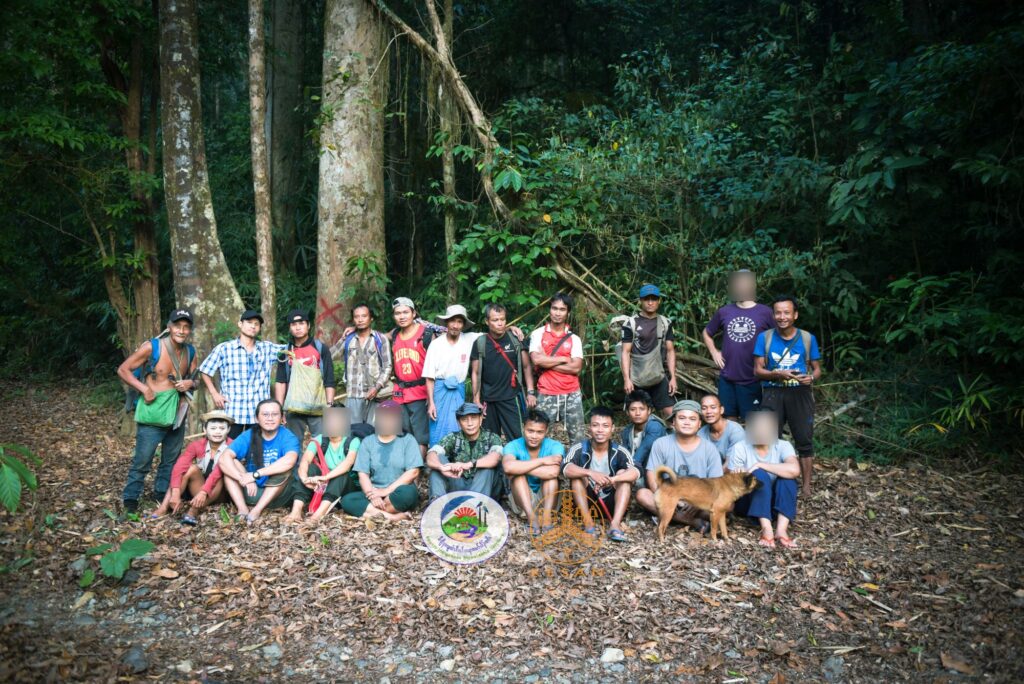
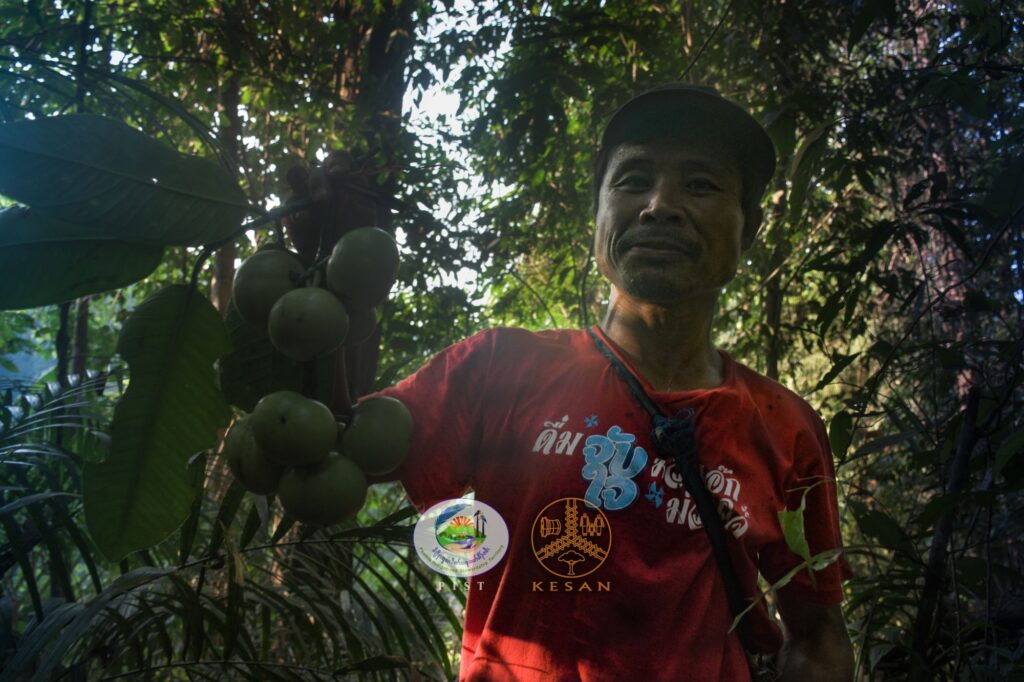
When trees are needed for essential purposes – such as building homes or community structures like schools, churches, or hospitals – the community collectively decides when and how trees may be cut. Outside of these decisions, logging is banned at all times. In some community forests, tree cutting is prohibited without exception in order to protect watersheds and ensure stable water sources.
These practices are not new. They are intergenerational systems of stewardship, passed down over generations and maintained through customary rules and shared responsibility.
In 2009, the Kawthoolei Forestry Department of the Karen National Union (KNU) – the de facto government of the Karen people – adopted a forestry policy that includes formal recognition of community forests. This recognition was intended to acknowledge existing Indigenous forest conservation practices, help protect them, and support community participation in forest management. Since then, many communities across Kawthoolei have continued to establish community forests based on these traditions.
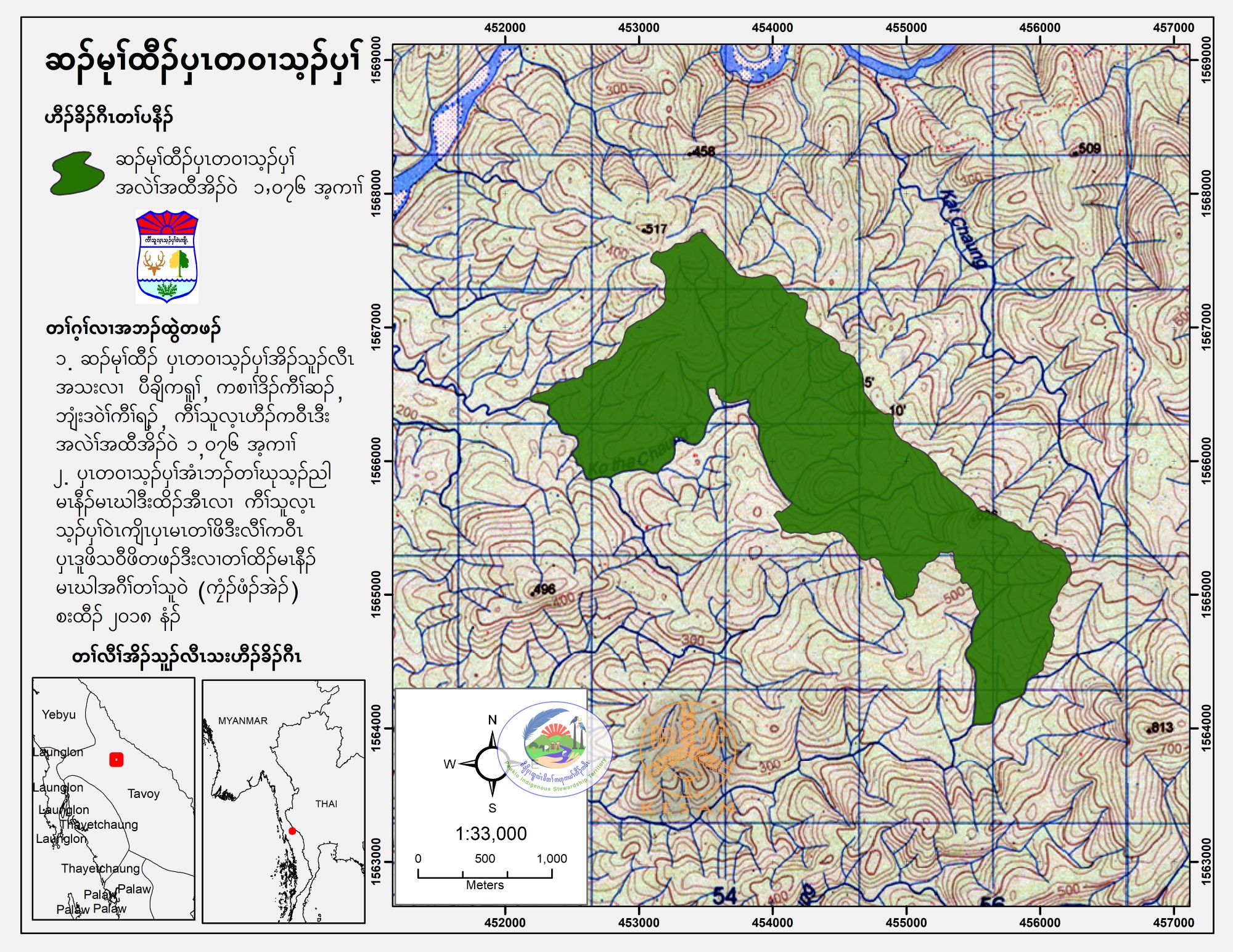
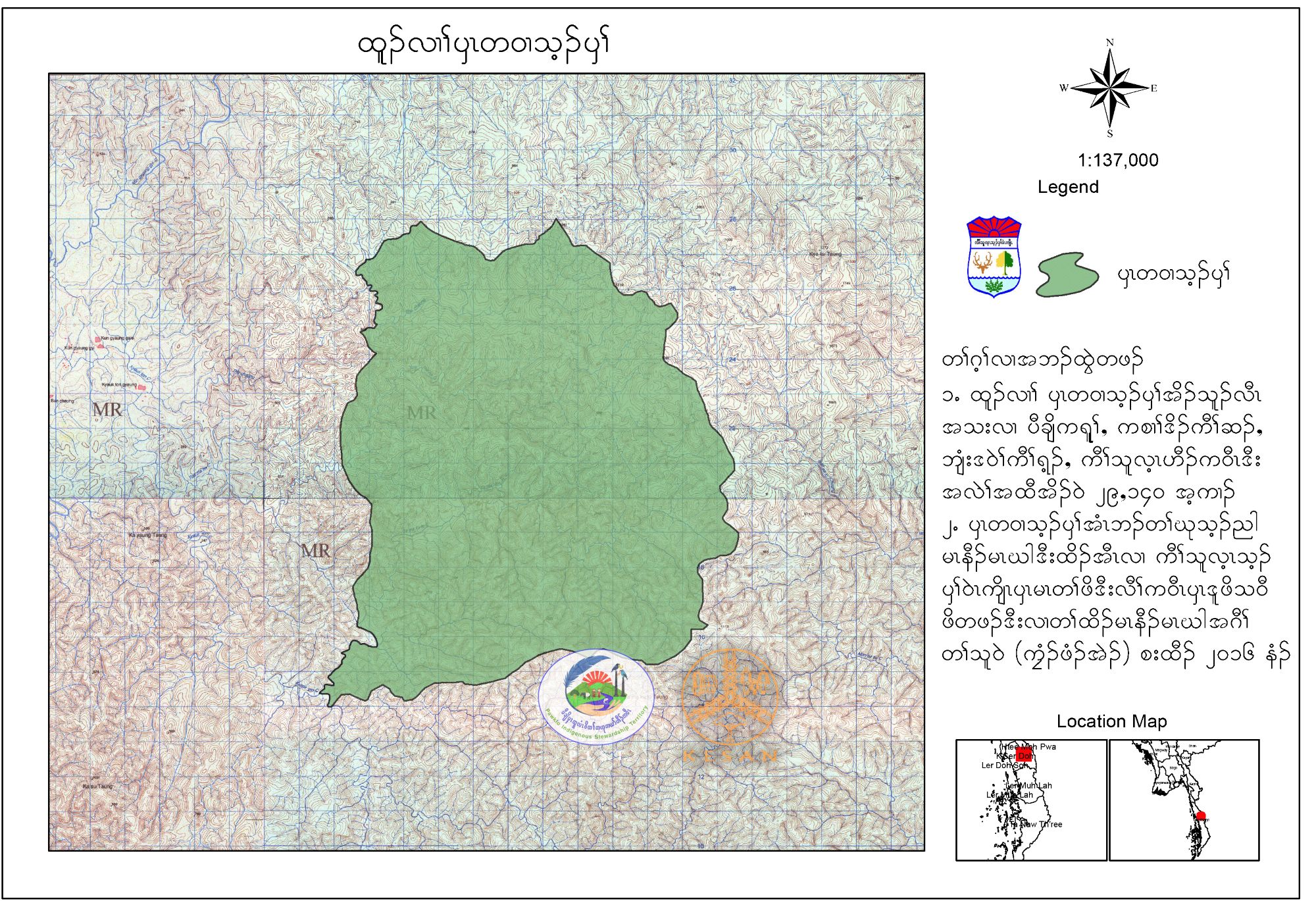
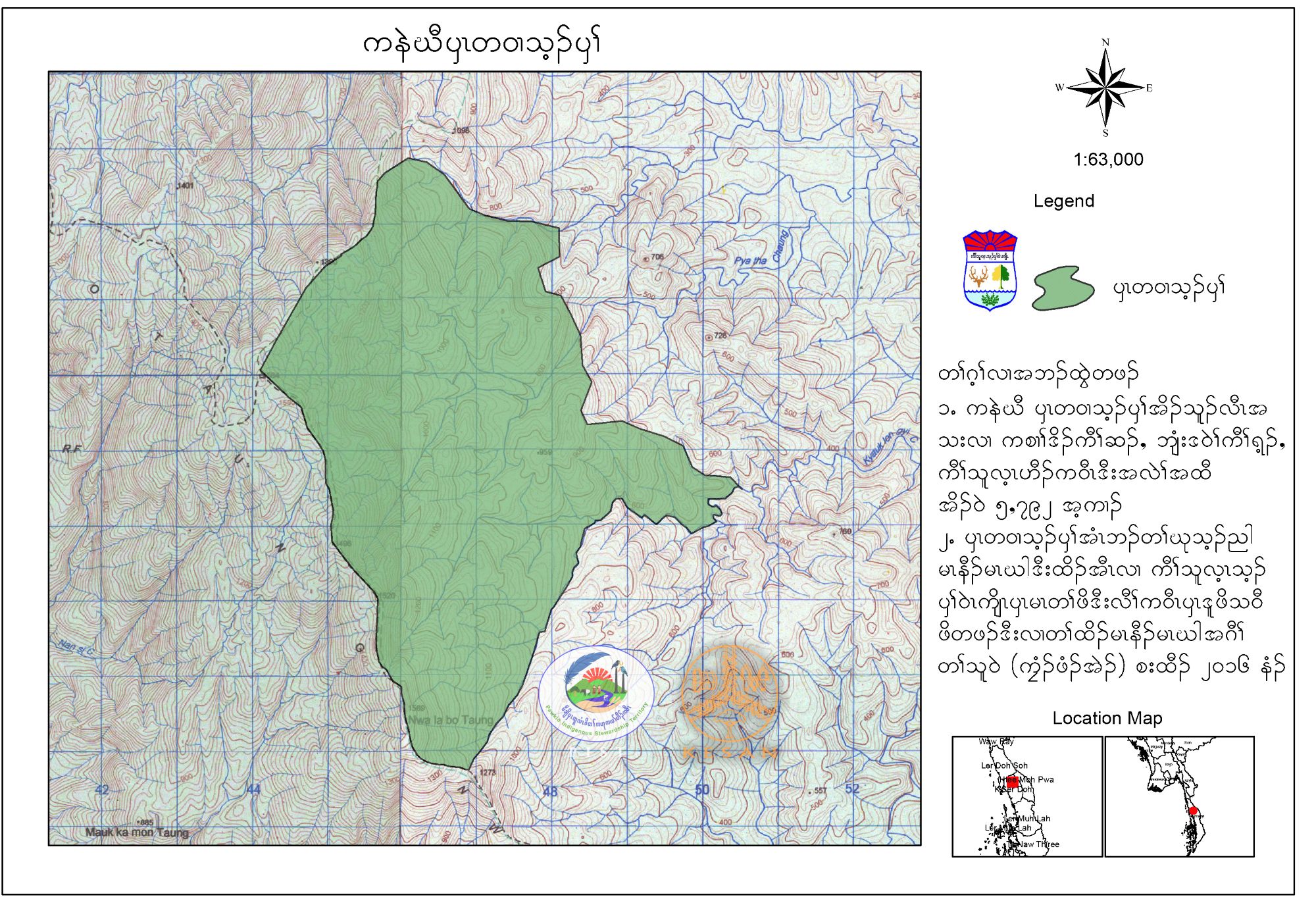
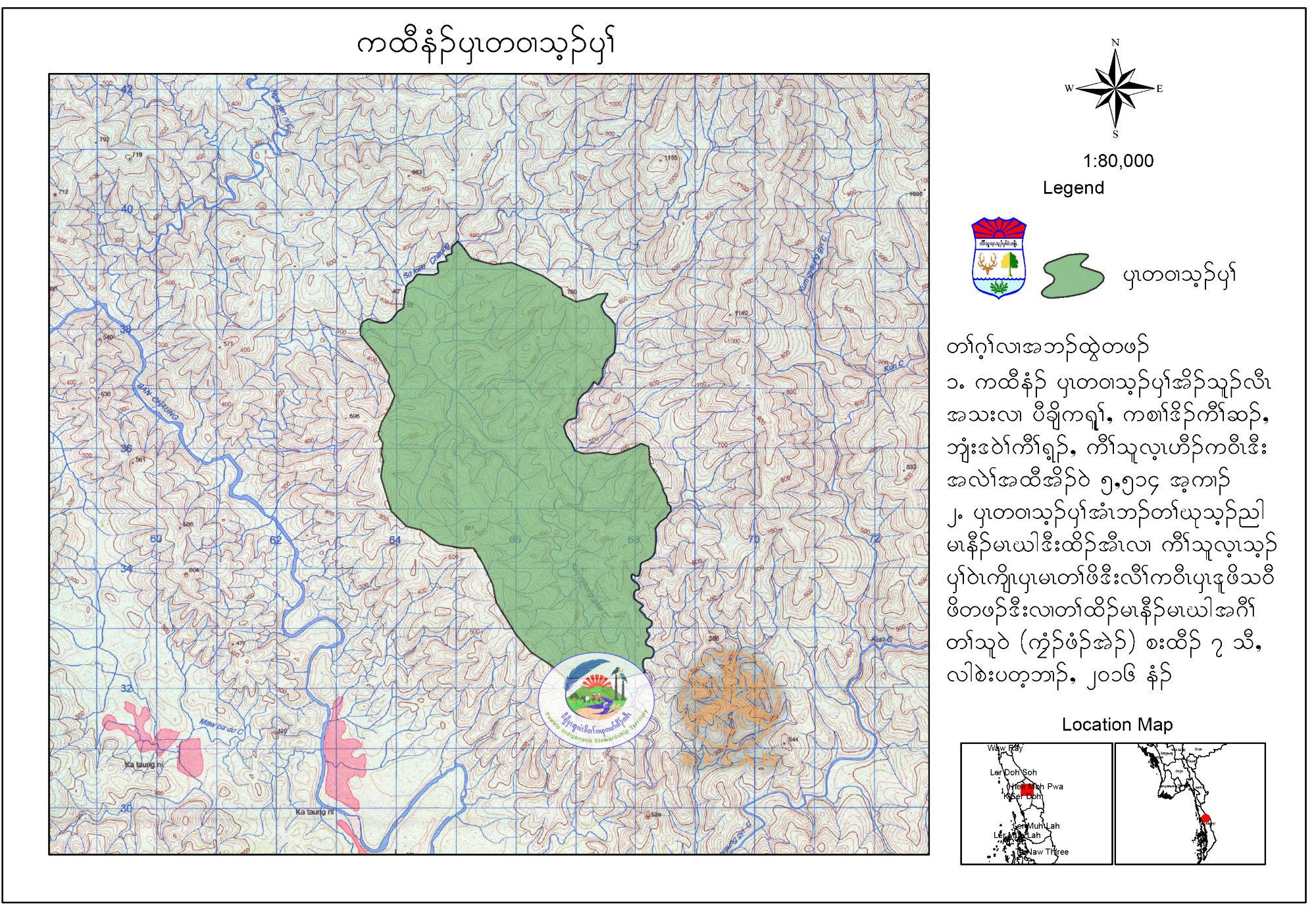
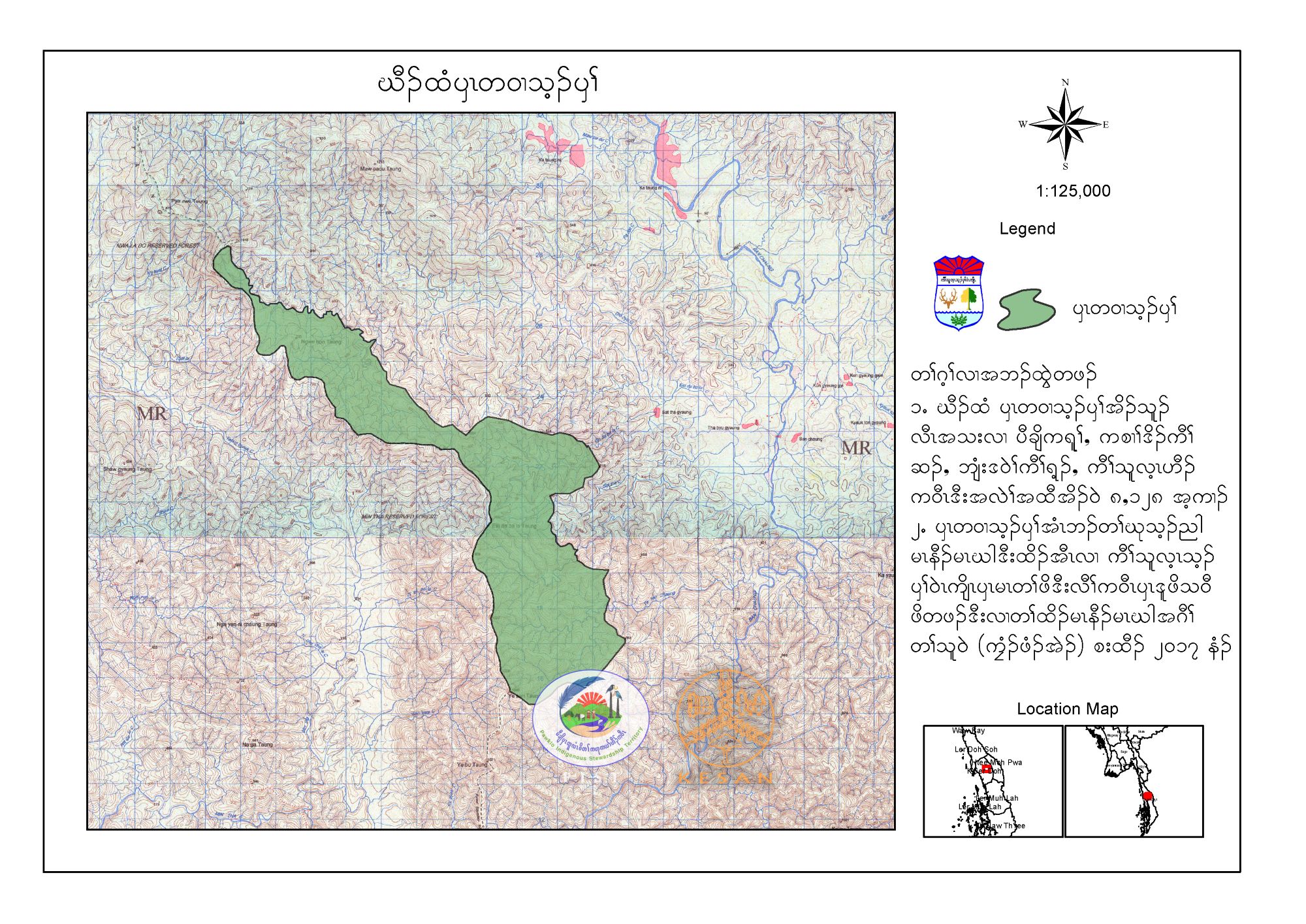
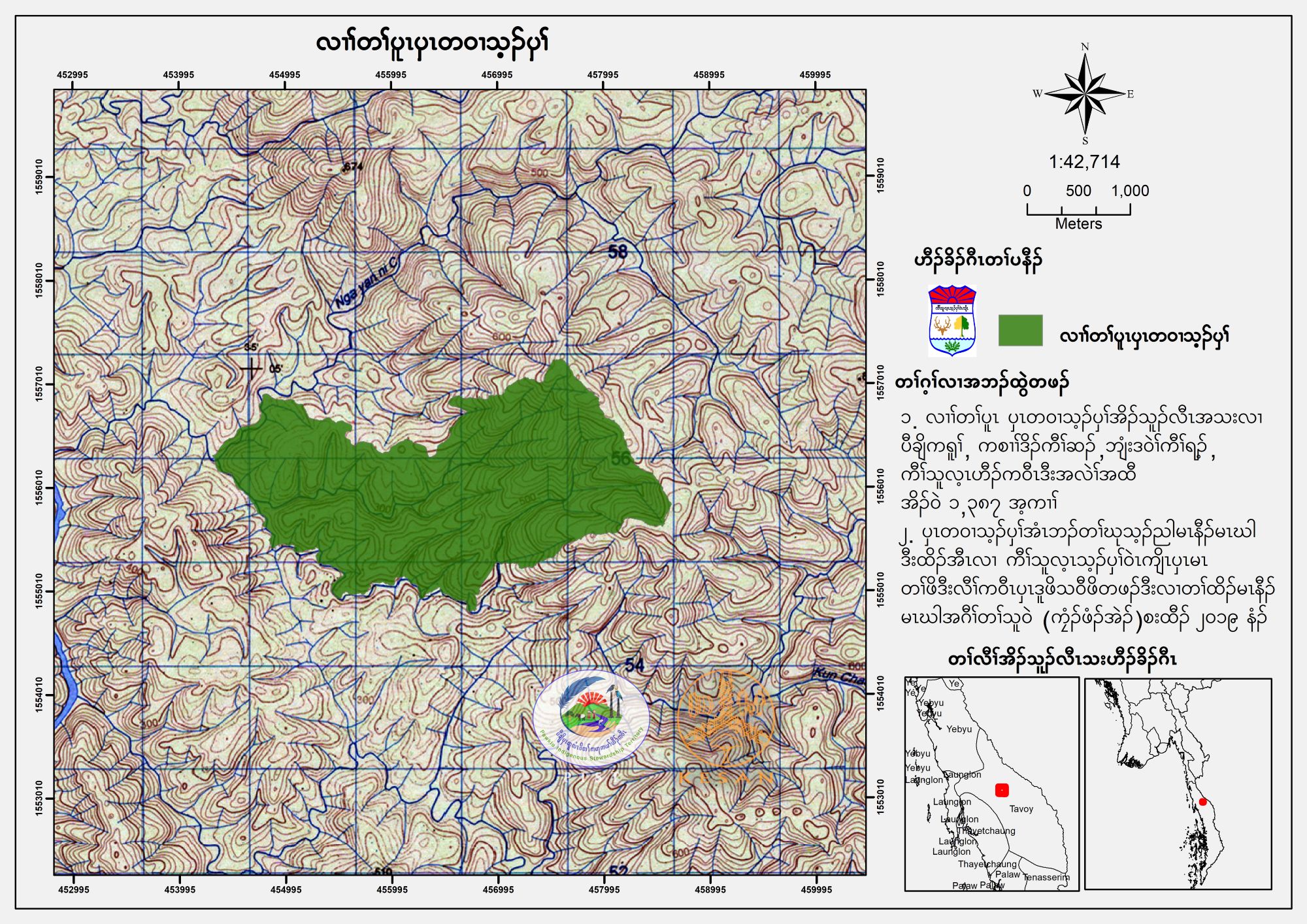
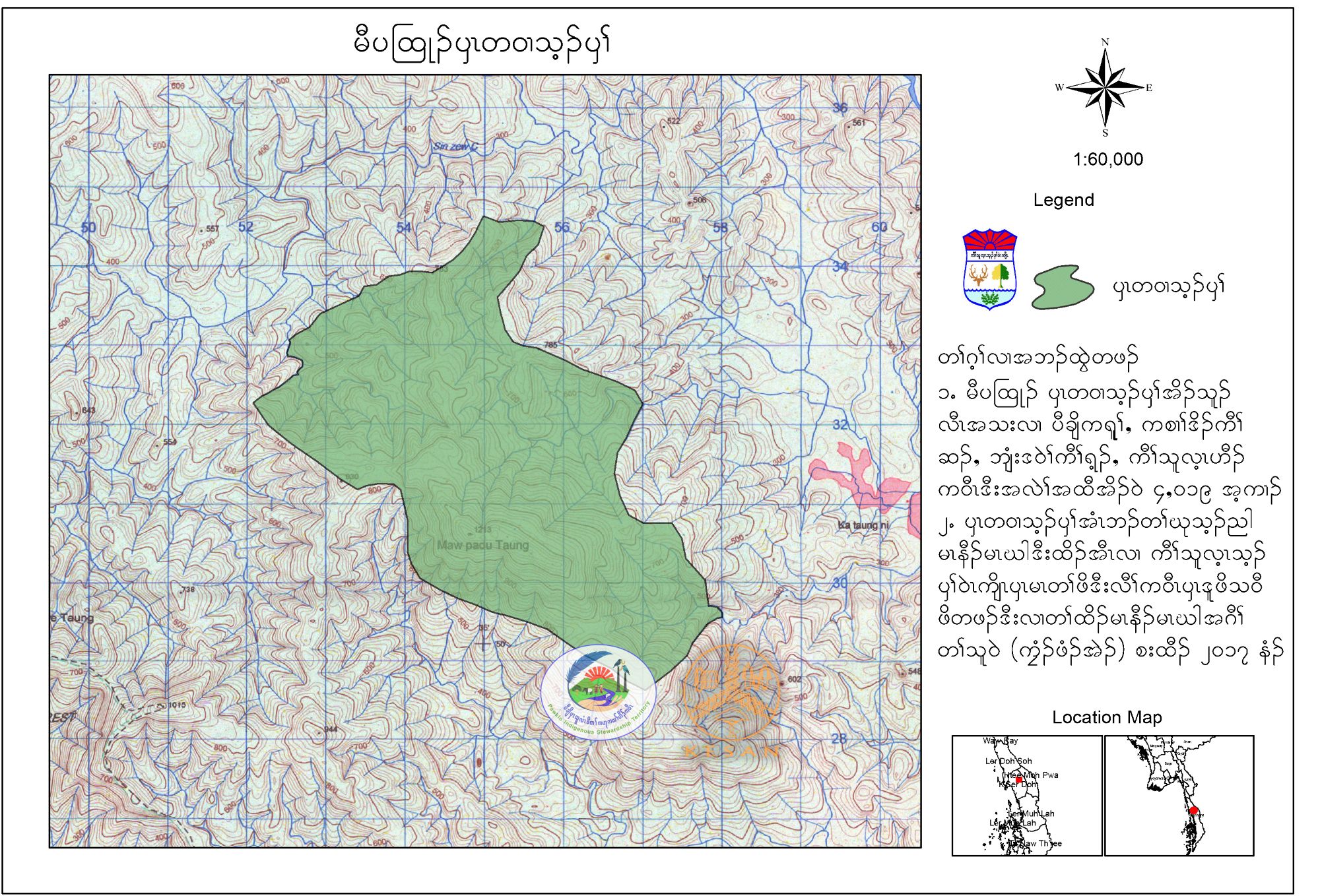
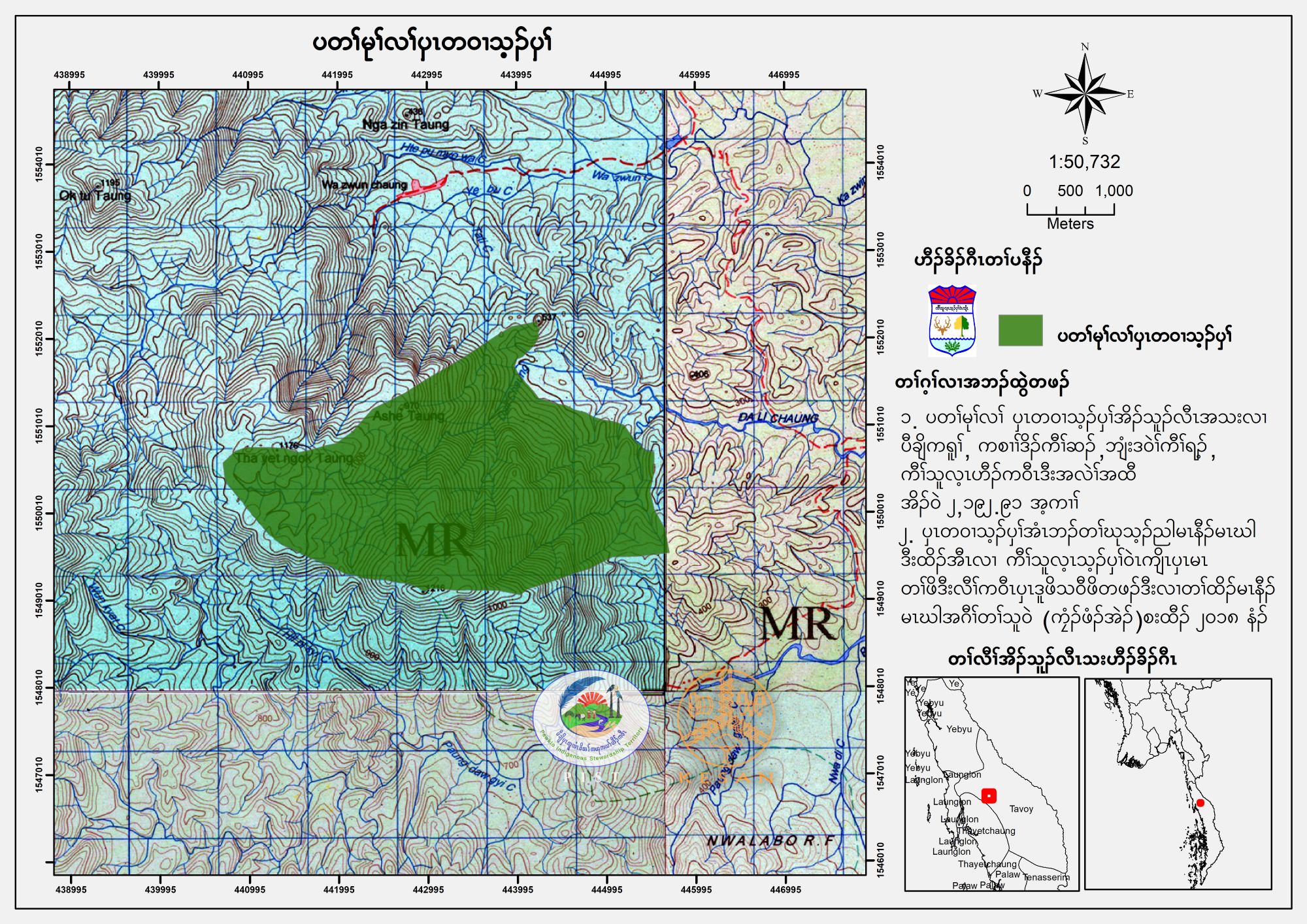
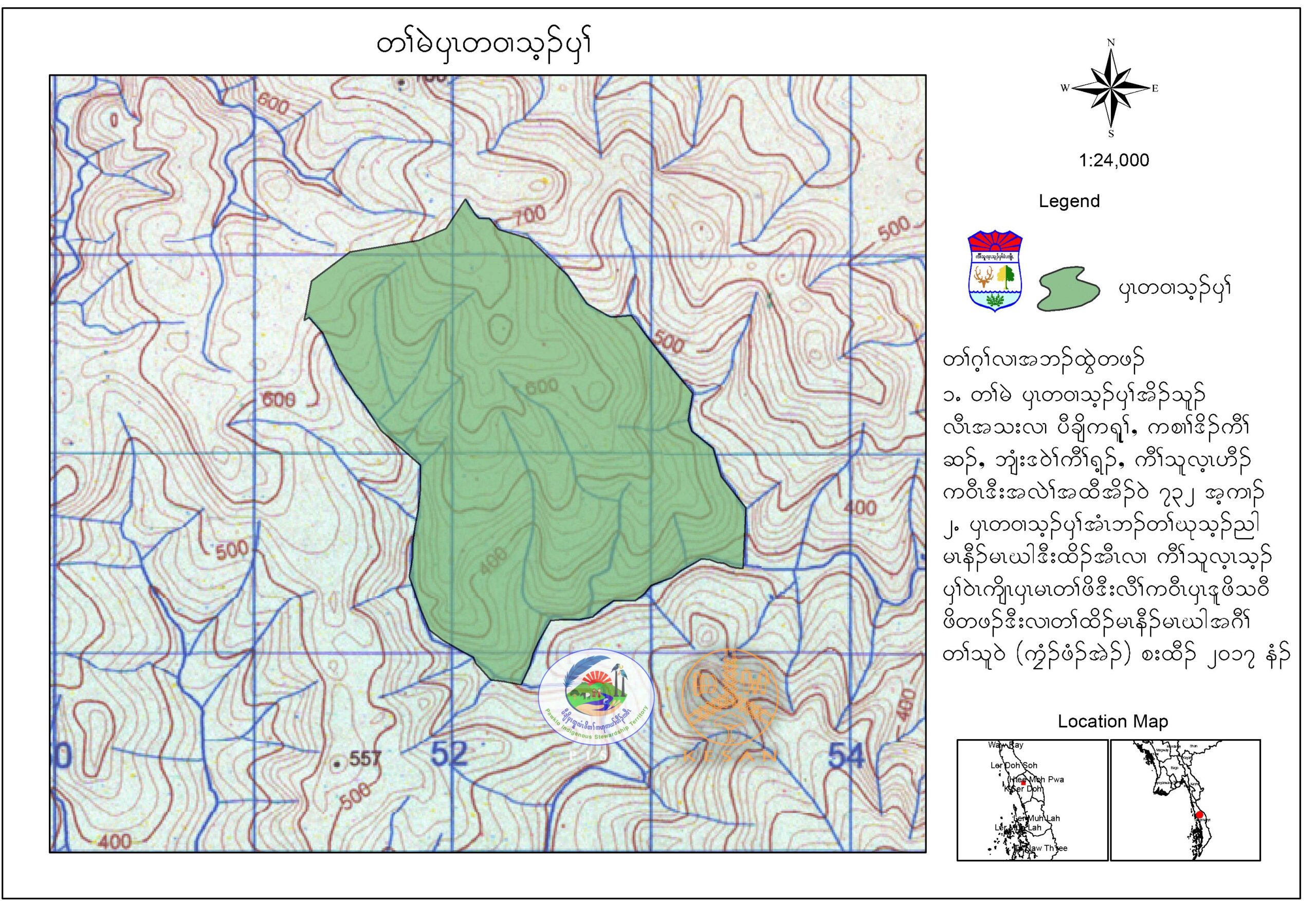
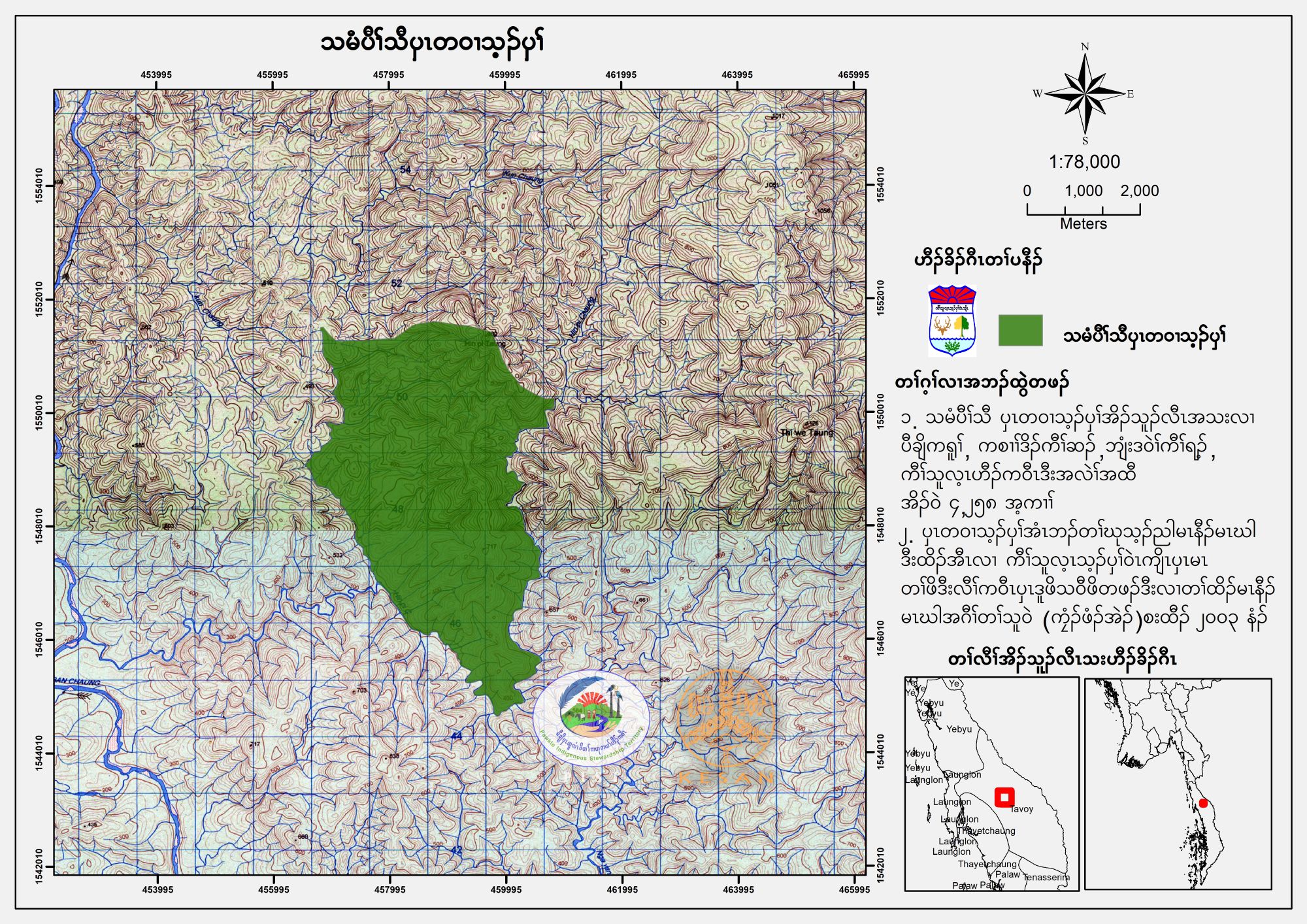
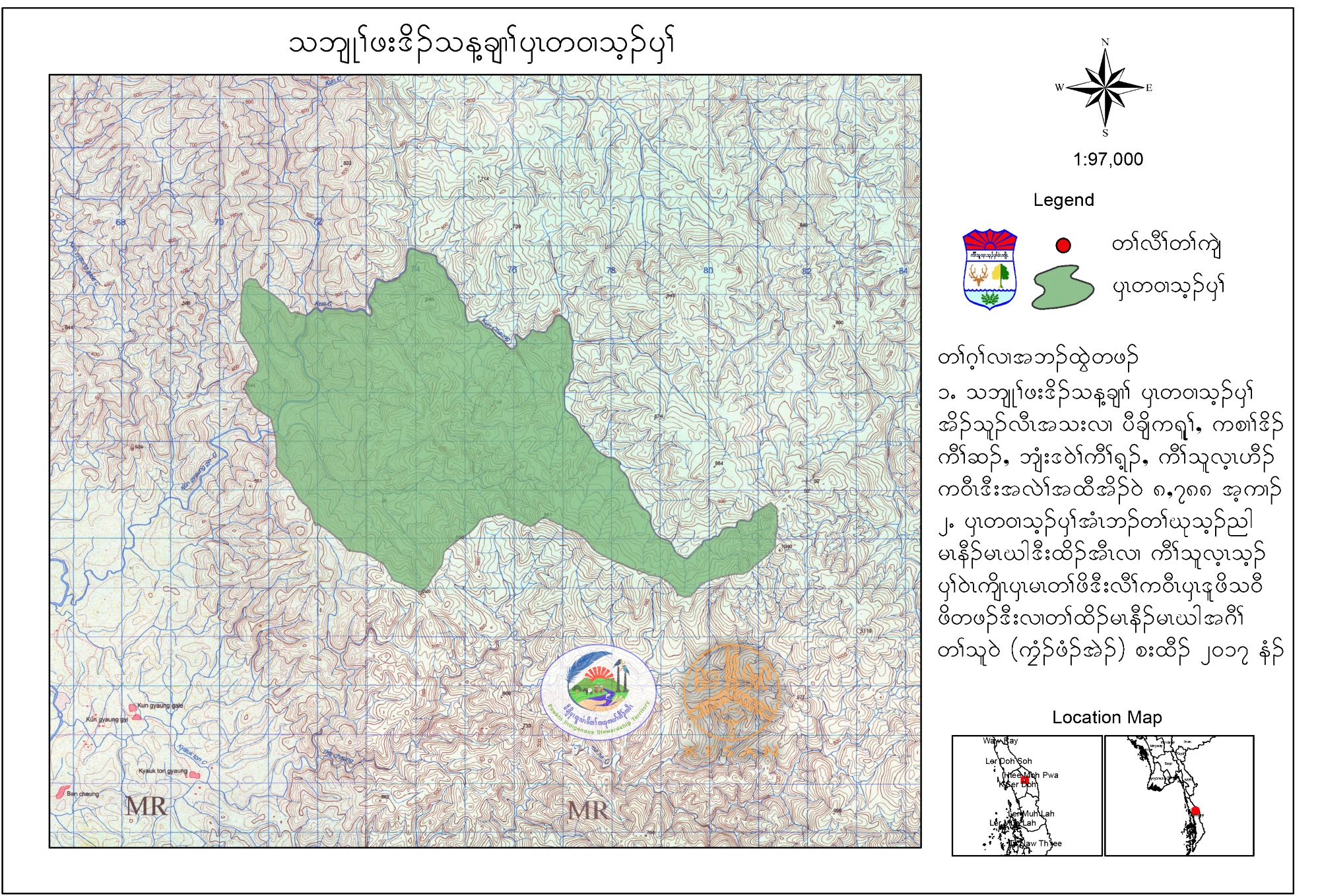
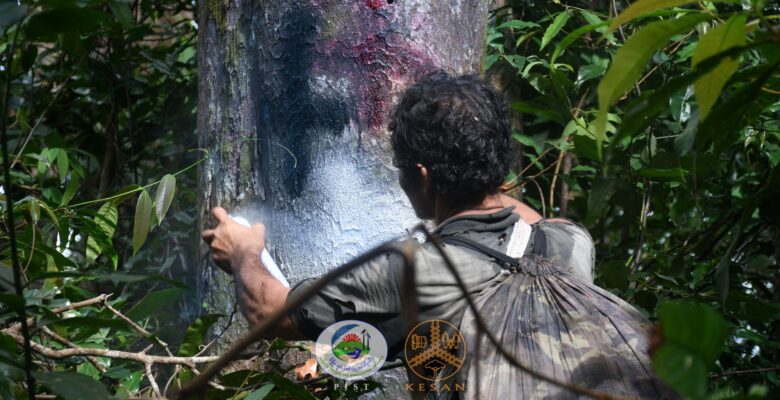
Today, the Pawklo Indigenous Stewardship Territory (PIST) encompasses 24 villages. Within this territory, 11 community forests have already been formally established and are actively protected by their communities. These community forests reflect both the strength of existing traditions and the growing collective effort to safeguard forests, watersheds, biodiversity, and community livelihoods. In the future, local villagers will continue to establish yet more community forests in PIST as they continue to fight to protect their Indigenous landscapes.
📍 The maps shared here show the boundaries of each community forest in the PIST area.