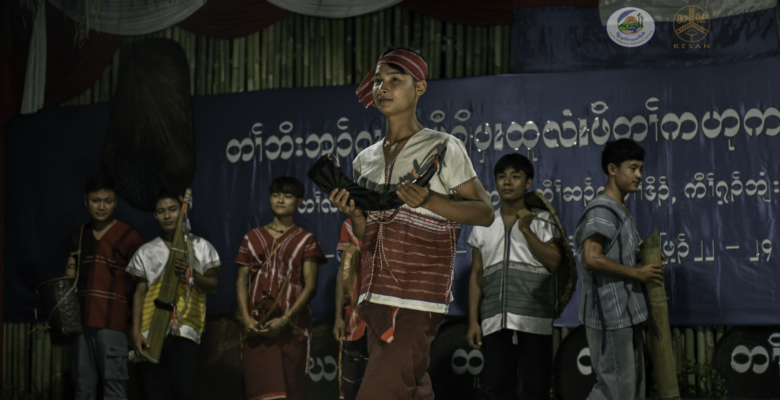
From April 22 to 24, 2026, Indigenous Karen communities of the Pawklo River Basin gathered to officially declare the Pawklo Indigenous Stewardship Territory (PIST), an Indigenous conserved territory initiated through community-led efforts that began in 2018. The three‑day ceremony, held in K’Ser Doh Township, Mergui‑Tavoy District of Kawthoolei, brought together approximately 950 participants from 24 villages, alongside Indigenous leaders, civil society organizations, and representatives of the Karen National Union (KNU).
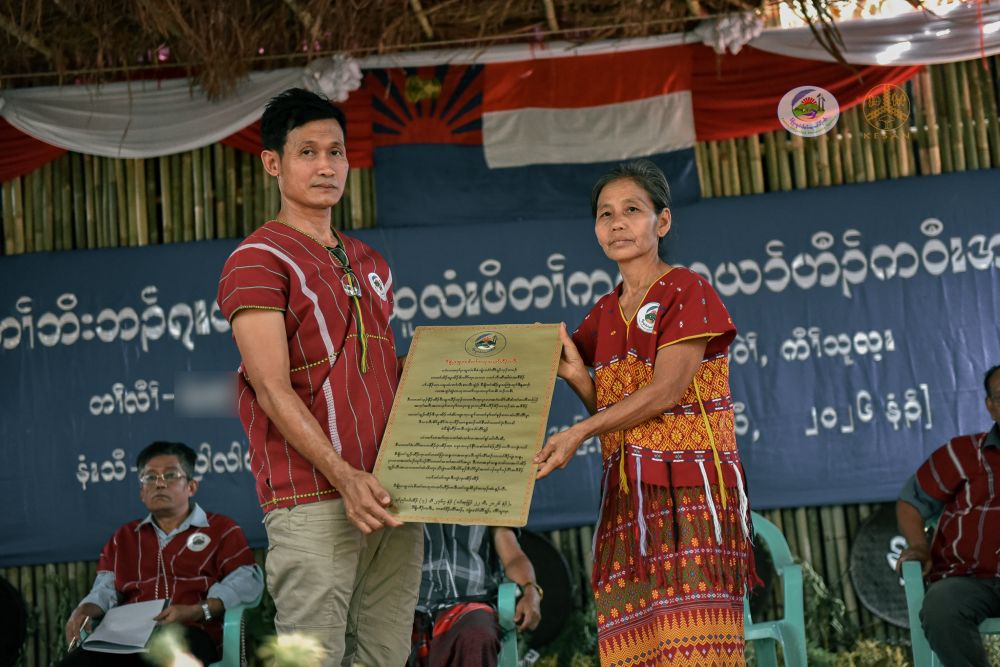
The official declaration took place on April 22, 2026, coinciding with Earth Day, underscoring the deep connection between Indigenous stewardship and environmental protection. During the declaration ceremony, Padoh Mahn Ba Tun, Head of the Kawthoolei Forestry Department – a department of the KNU – read a formal statement from the central Karen National Union recognizing and supporting the declaration of PIST.
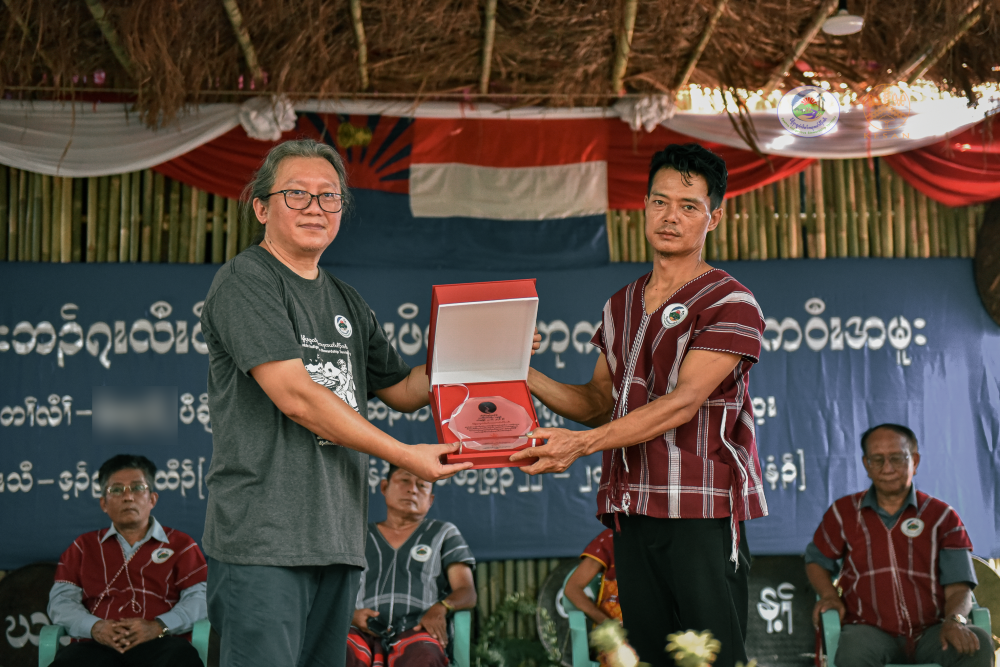
In recognition of Indigenous leadership in protecting the Earth, the Karen Environmental and Social Action Network (KESAN) awarded medals of appreciation to three Indigenous conserved territories: the Salween Peace Park, Thawthi Taw‑Oo Indigenous Park, and the newly declared PIST. At the same event, the Kawthoolei Forestry Department also issued community forest certificates to several villages that have long managed their forests under customary systems but had not previously received formal recognition from the central KNU.
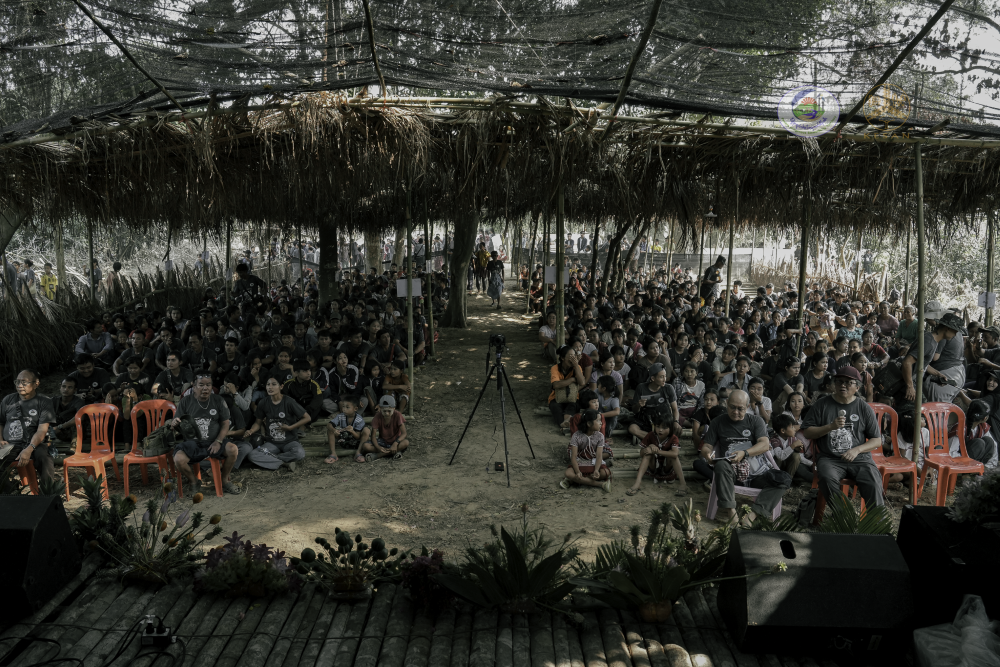
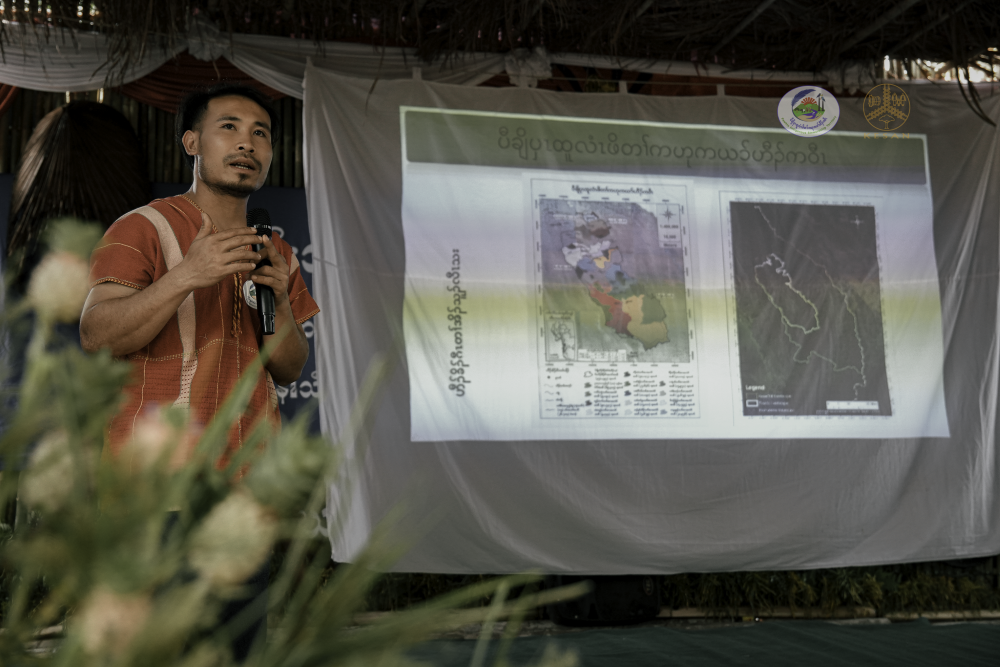
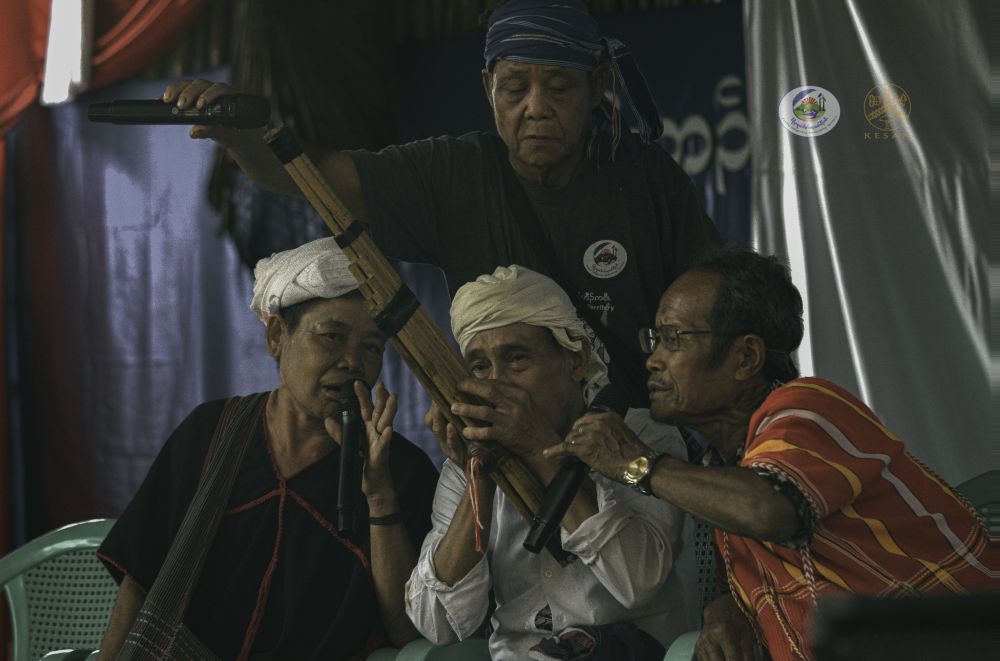
The three‑day gathering included presentations on the Pawklo Indigenous Stewardship Territory (PIST), the K’Ser Doh Conservation Areas (KCAs) planned by the Mergui‑Tavoy District Karen National Union, and a proposed larger conservation landscape incorporating PIST. Leaders, community members, and panelists engaged in discussions on Indigenous Peoples’ rights, Indigenous and Community Conserved Areas (ICCAs), pathways for ICCA recognition, and how PIST strengthens Indigenous self‑determination and aligns with the broader political struggle of the KNU. The event also focused on future planning to ensure PIST remains a living, community‑governed territory. Throughout the ceremony, communities from all 24 villages celebrated Indigenous identity through cultural performances, including Karen don dances, traditional music, song competitions, and cultural showcases.
The declaration is the result of a long, democratic process. Since 2018, communities have held extensive consultations, formed steering committees and working groups, documented village histories and land use systems, and developed a PIST Charter. In 2025, a charter referendum recorded 88 percent endorsement from eligible adults, affirming broad community consensus.
Today, the Pawklo Indigenous Stewardship Territory encompasses 358,493 acres (1,451 km²) of rivers, forests, farmlands, mountains, and sacred sites, and is home to over 11,500 Indigenous Karen people.
The declaration responds directly to decades of dispossession, militarization, and unconsented development, particularly harmful infrastructure and extractive projects that expanded after the 2015 Nationwide Ceasefire Agreement. Rather than allowing further destruction, communities have chosen to protect and govern their ancestral lands according to customary laws and Indigenous knowledge systems.
Naw Eh Th’ Blay Wah, a member of the PIST Steering Committee, highlighted the dangers of industrial development models and the importance of Indigenous-led conservation. “We live with nature, and our territory still has extensive forests. But if we follow an industrial model of economic development, there will be massive destruction. What we need is sustainable development. The so‑called development projects coming into our area will destroy our nature and our lives, and once these projects are finished, no one will take responsibility for the damage.
By declaring the Pawklo Indigenous Stewardship Territory, companies and those in power will think twice before targeting our land.”
The declaration of the Pawklo Indigenous Stewardship Territory stands as a powerful affirmation of Indigenous rights, environmental stewardship, and collective responsibility, ensuring that this land remains a place of life, dignity, and care for generations to come.