Deep within Kawthoolei lies a rich and vibrant landscape where wildlife continues to survive despite growing threats across the region. In Mergui Tavoy District, one of the seven districts under the Karen National Union (KNU), the KNU and local Karen communities are continuing their efforts to establish the 1,300,000-acre Kser Doh Conservation Area (KCA). This large conservation landscape will help safeguard biodiversity and support Indigenous stewardship of land and natural resources.
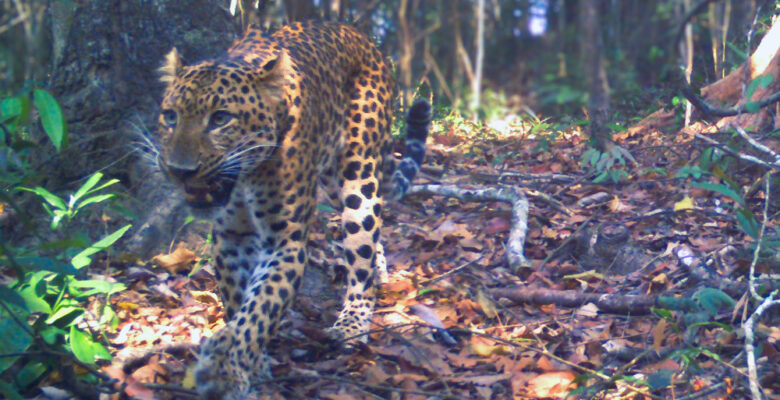
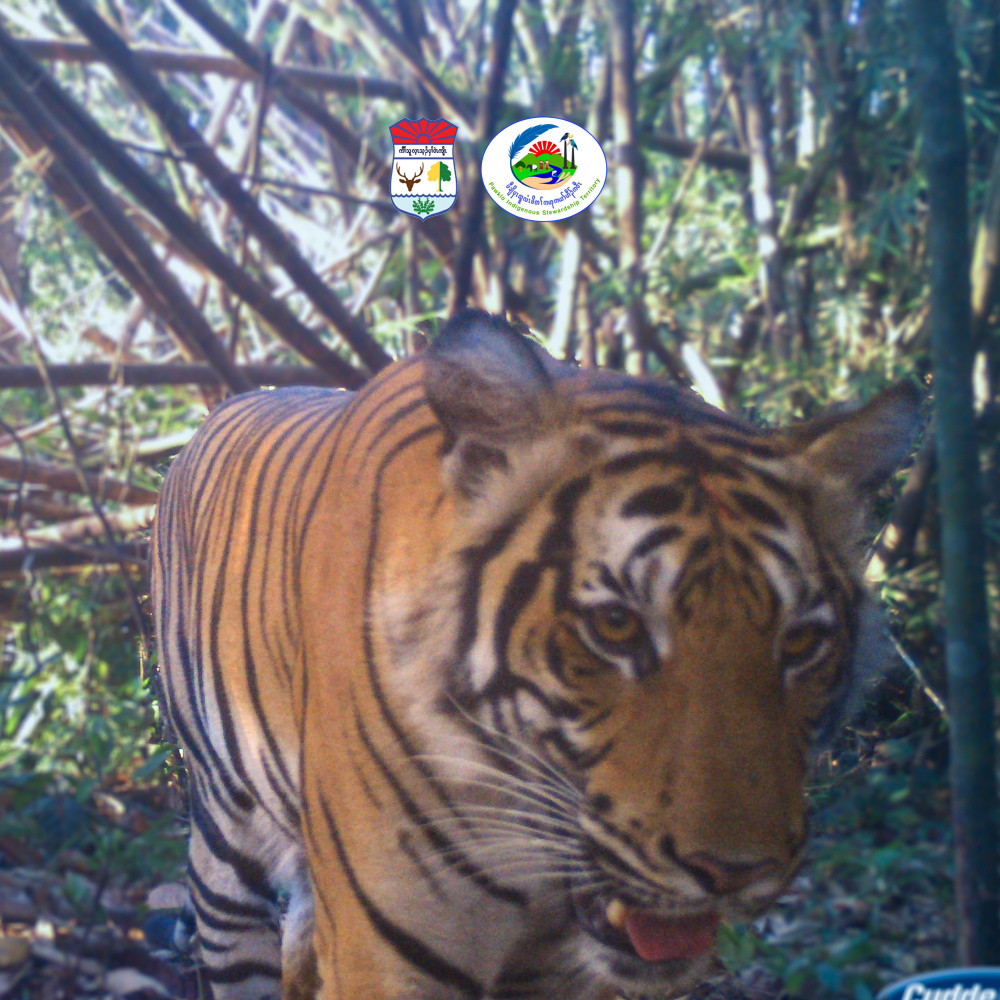
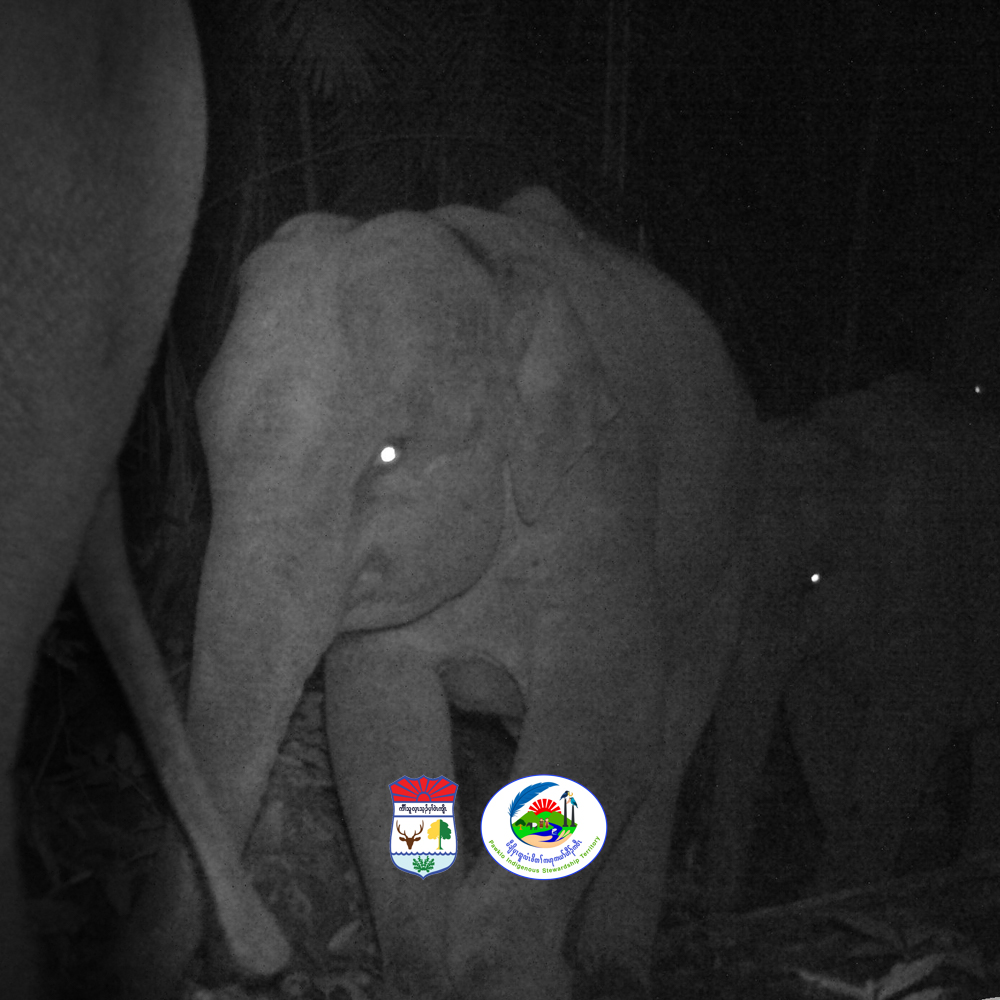
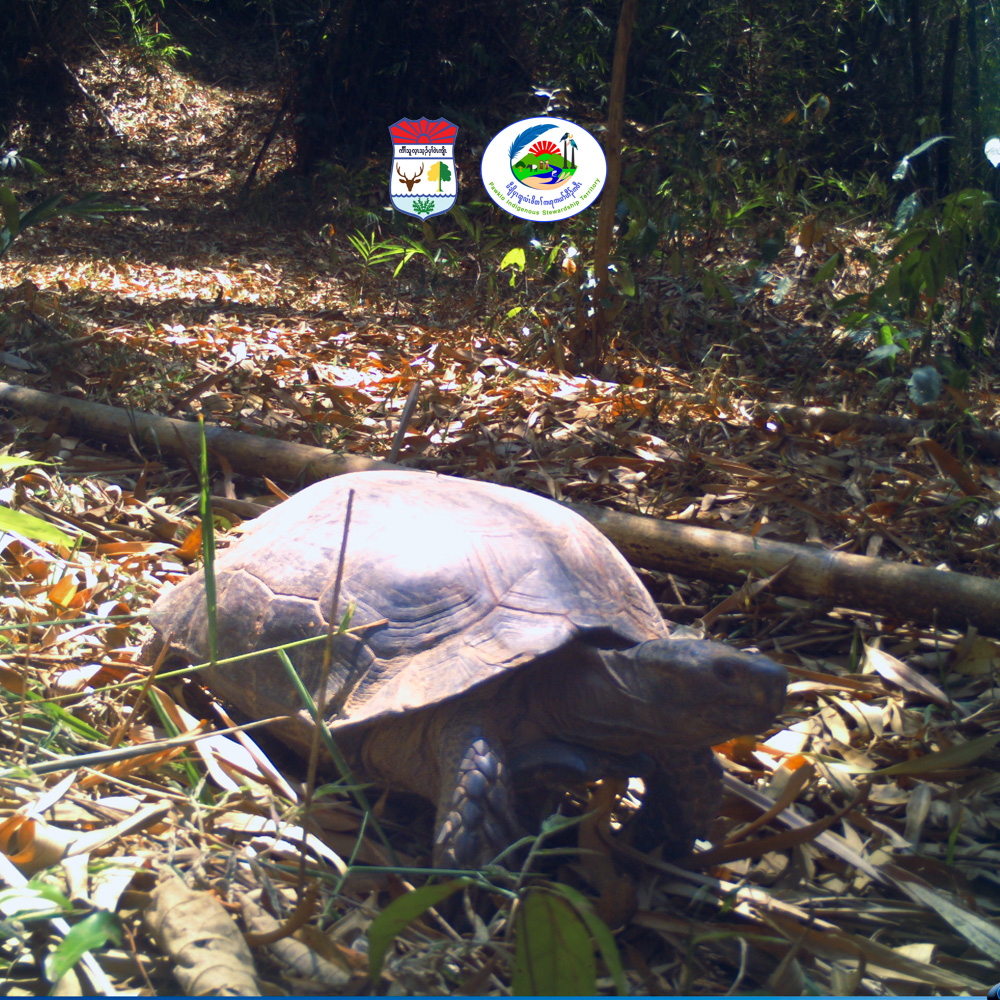
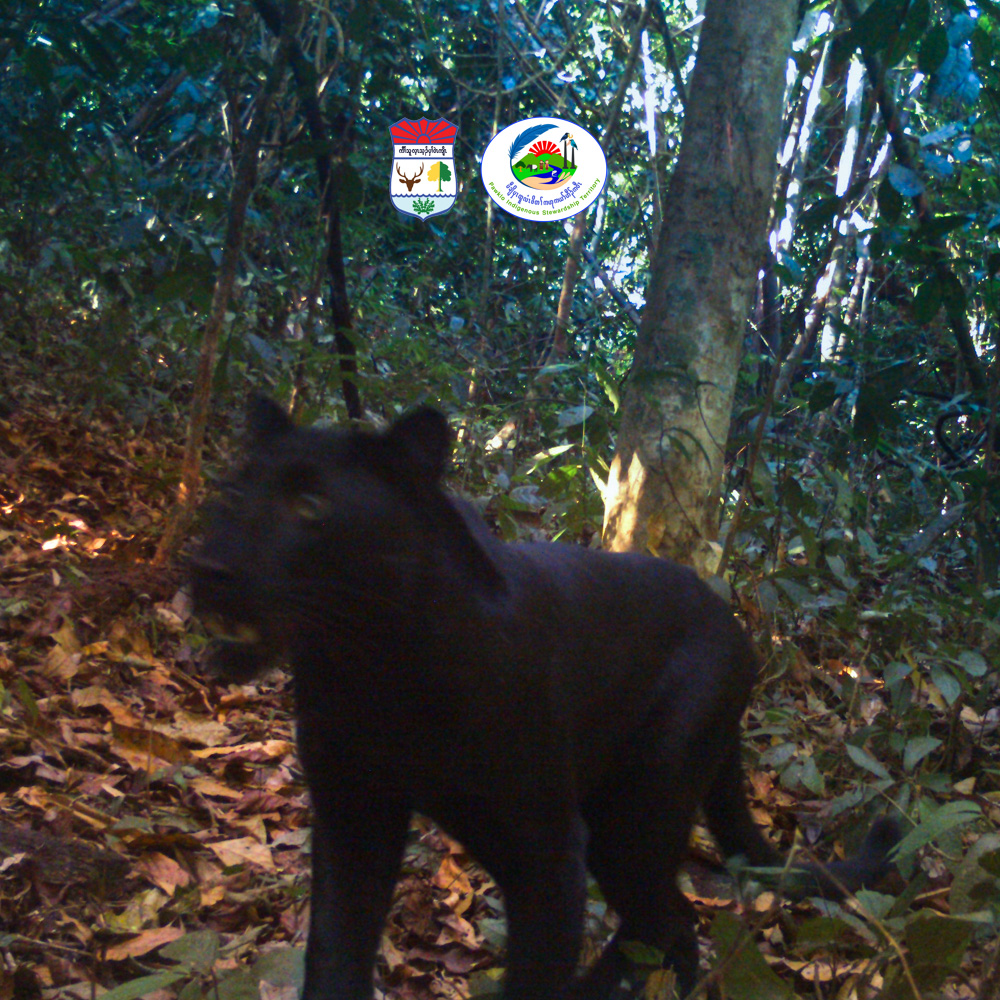
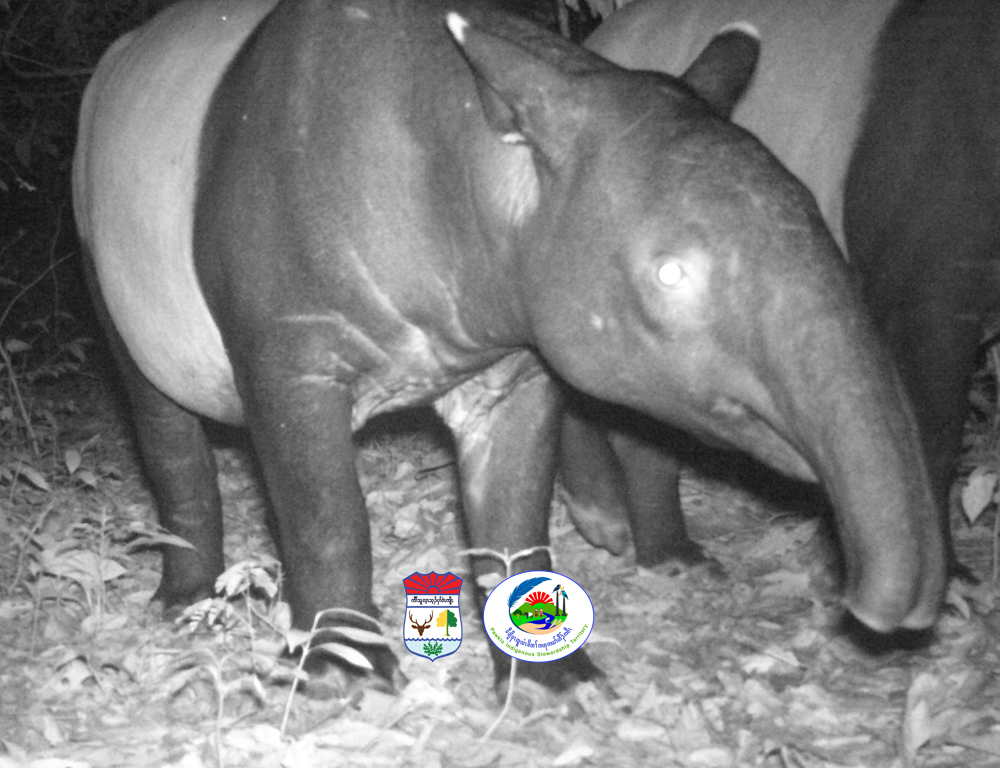
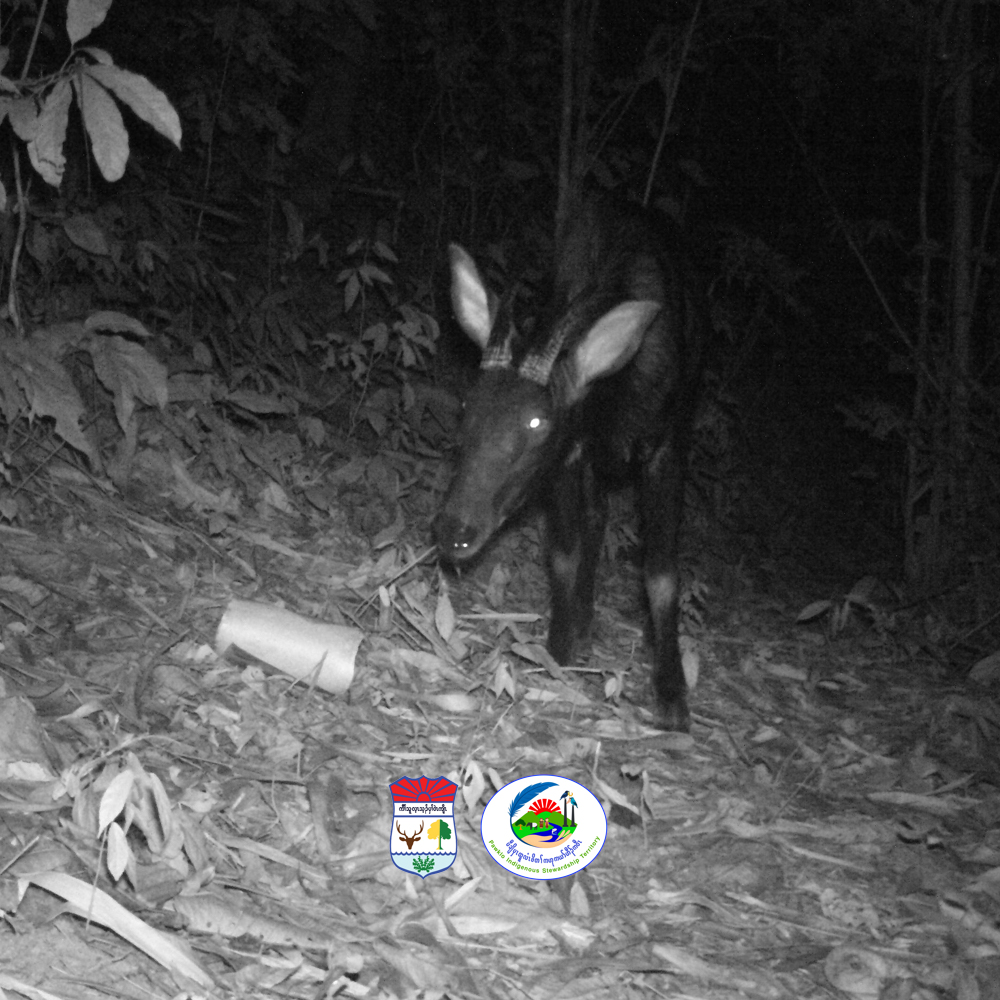
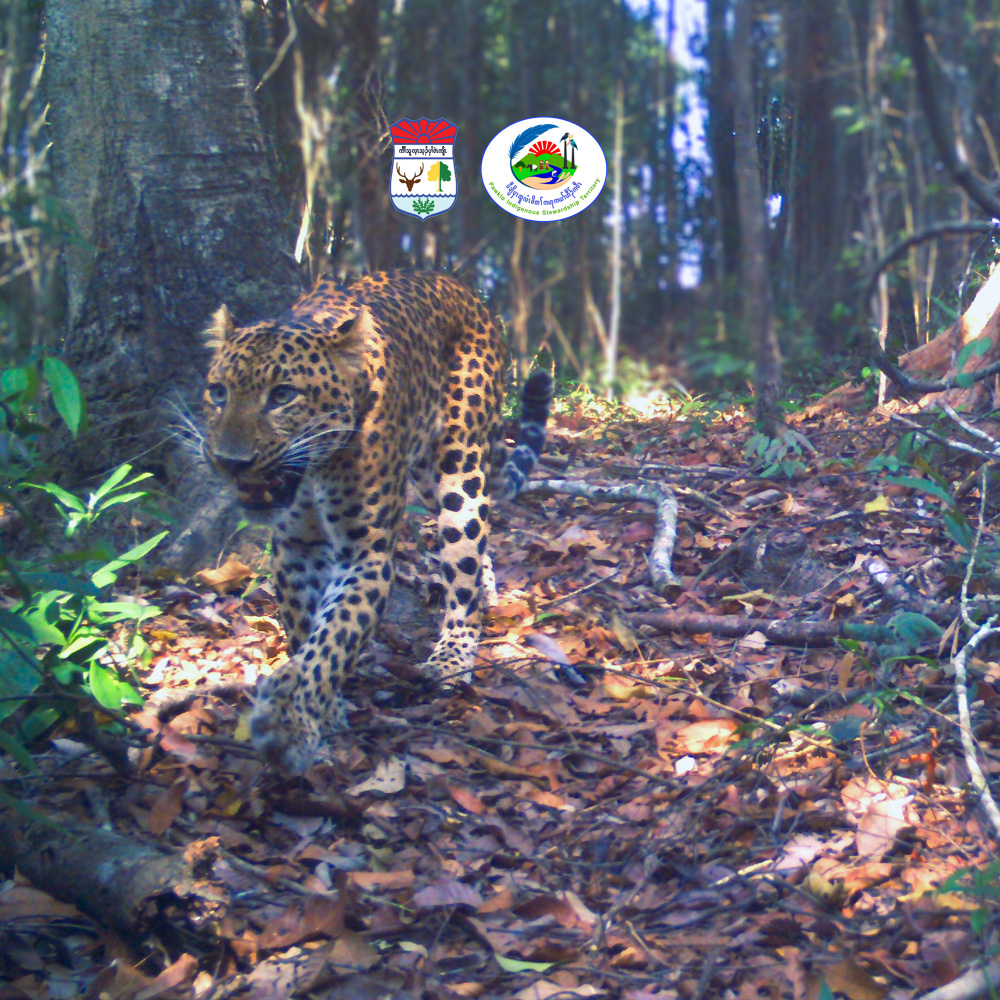
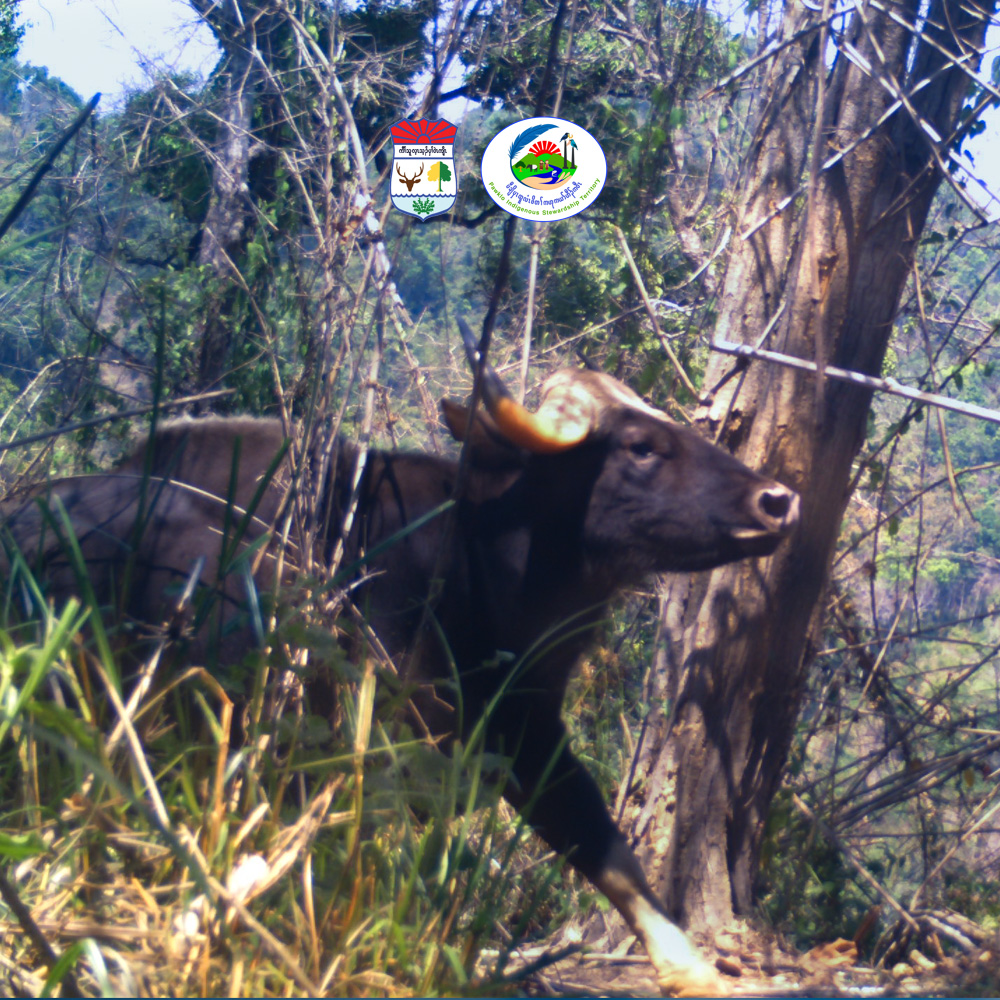
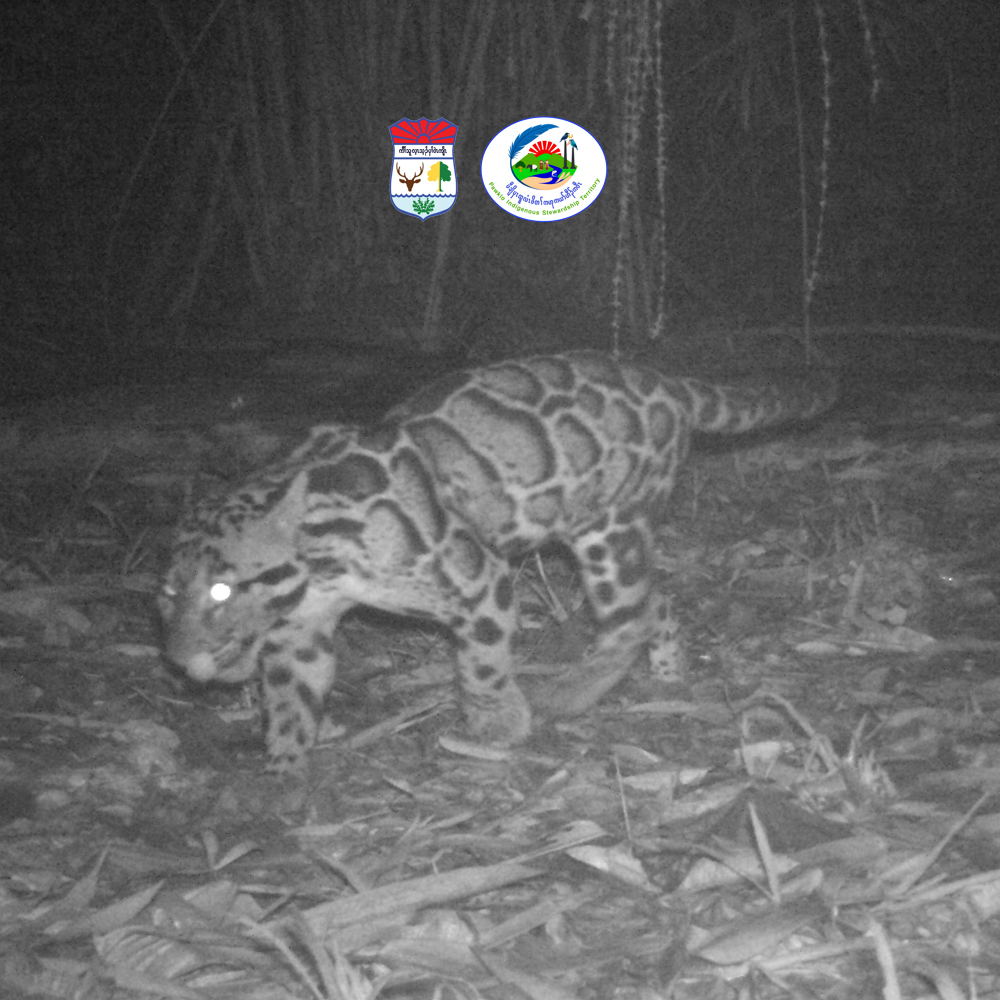
Within the KCA’s area is the Kser Doh Wildlife Sanctuary, located in Kser Doh Township. This sanctuary provides critical habitat for a remarkable range of wildlife. Several globally significant and increasingly rare species such as the tiger, leopard, clouded leopard, Asian elephant, Malayan tapir, serow, elongated tortoise, and large Indian civet have been documented in the sanctuary. Unfortunately, many of these species have already disappeared or declined drastically in other parts of Southeast Asia.
The Pawklo Indigenous Stewardship Territory (PIST), officially declared on 21 April 2026,is central to the continued success of this conservation model. With large parts of the PIST also including areas of the Kser Doh Wildlife Sanctuary, the PIST plays a vital role in strengthening conservation by recognizing Indigenous land governance and stewardship.
For generations, Indigenous Karen communities have protected forests and wildlife through traditional knowledge and practices. Their approach is based on respect, balance, and responsibility. While hunting remains part of local livelihoods, it is practiced carefully, ensuring that important species are protected and ecosystems remain healthy. These long-standing traditions have allowed biodiversity to survive where it has disappeared elsewhere.
The presence of top predators such as tigers and leopards, along with sensitive species like tapirs and tortoises, is strong evidence of a healthy and functioning ecosystem. These species depend on large, connected forests and stable environments—conditions that are maintained through Indigenous stewardship.
The establishment of the PIST strengthens these efforts by supporting community-led conservation and reinforcing existing protection systems across the wider KCA. It provides a clear model of how Indigenous governance can contribute to long-term environmental protection.
Today, the forests of Kser Doh remain one of the rare places where such a wide diversity of wildlife still exists. The care, knowledge, and commitment of Indigenous Karen people has been key to ensuring these lands will remain protected for future generations.