Community Based Livelihoods Initiatives
Strengthening livelihood through natural conservation
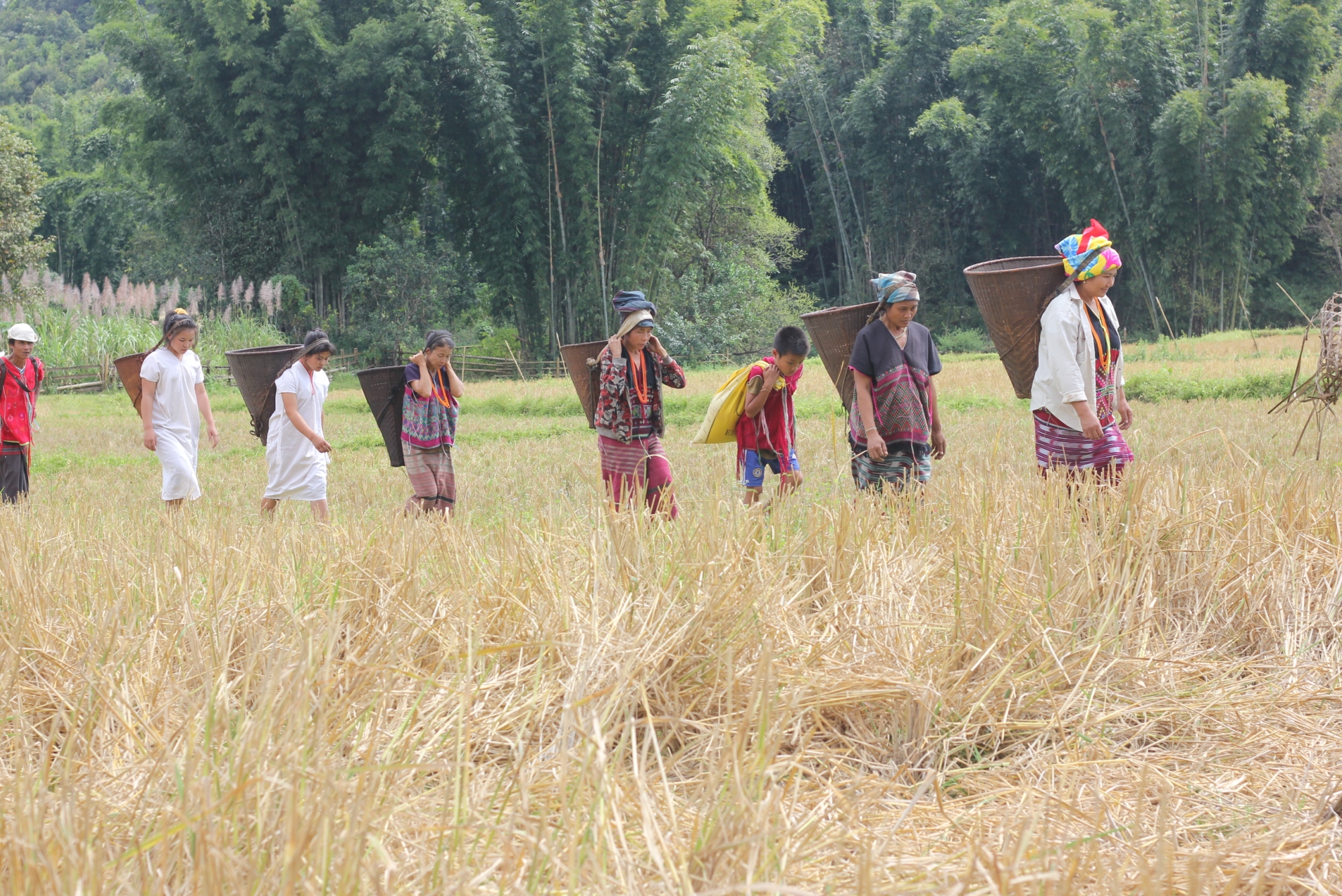
KESAN’s Community Based Livelihoods Initiative (CBLI) Program assists conflict-affected communities in Karen State to rehabilitate and restore their livelihoods and strengthen local food sovereignty based on sustainable agricultural practices and development of local livelihood opportunities.
The main aim of the CBLI program is to support small-scale local interventions that will result in improved management of community natural resources, conservation of local biodiversity, preservation and promotion of Indigenous knowledge, empowerment of women, strengthened local livelihood security, and enhanced resilience for natural and human-caused disasters.
In this program, we work closely with ‘Cluster’ leaders. A cluster is composed of 20 to 30 villages, including villagers and local leaders. The CBLI program’s approach is to – first and foremost – respond to community needs, and then ensure that community members take the lead during project planning, implementation and monitoring in to empower and promote community ownership of projects thereby making CBLI interventions as socially and ecologically sustainable as possible.
News
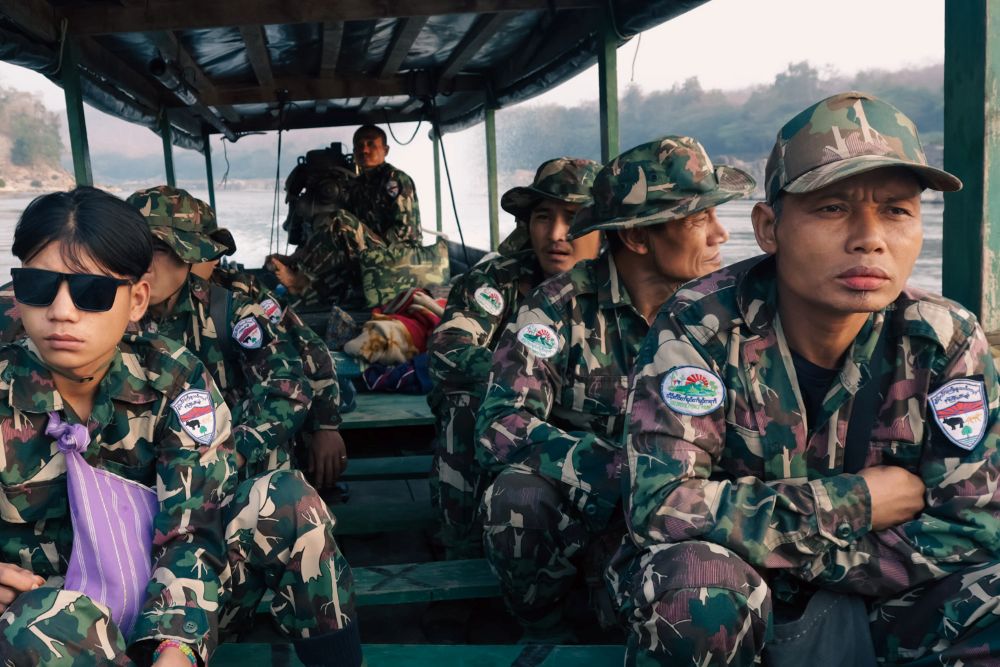
Along the Salween: A Story of Cooperation and Forest Protection
For more than a decade, authorities, community forest rangers, and local residents along the Salween River have quietly worked to monitor illegal logging, timber trafficking, and other activities threatening one of Southeast Asia’s last major free-flowing river systems. In late August 2026, those efforts resulted in the interception of illegally logged timber in two separate…
Continue Reading Along the Salween: A Story of Cooperation and Forest Protection
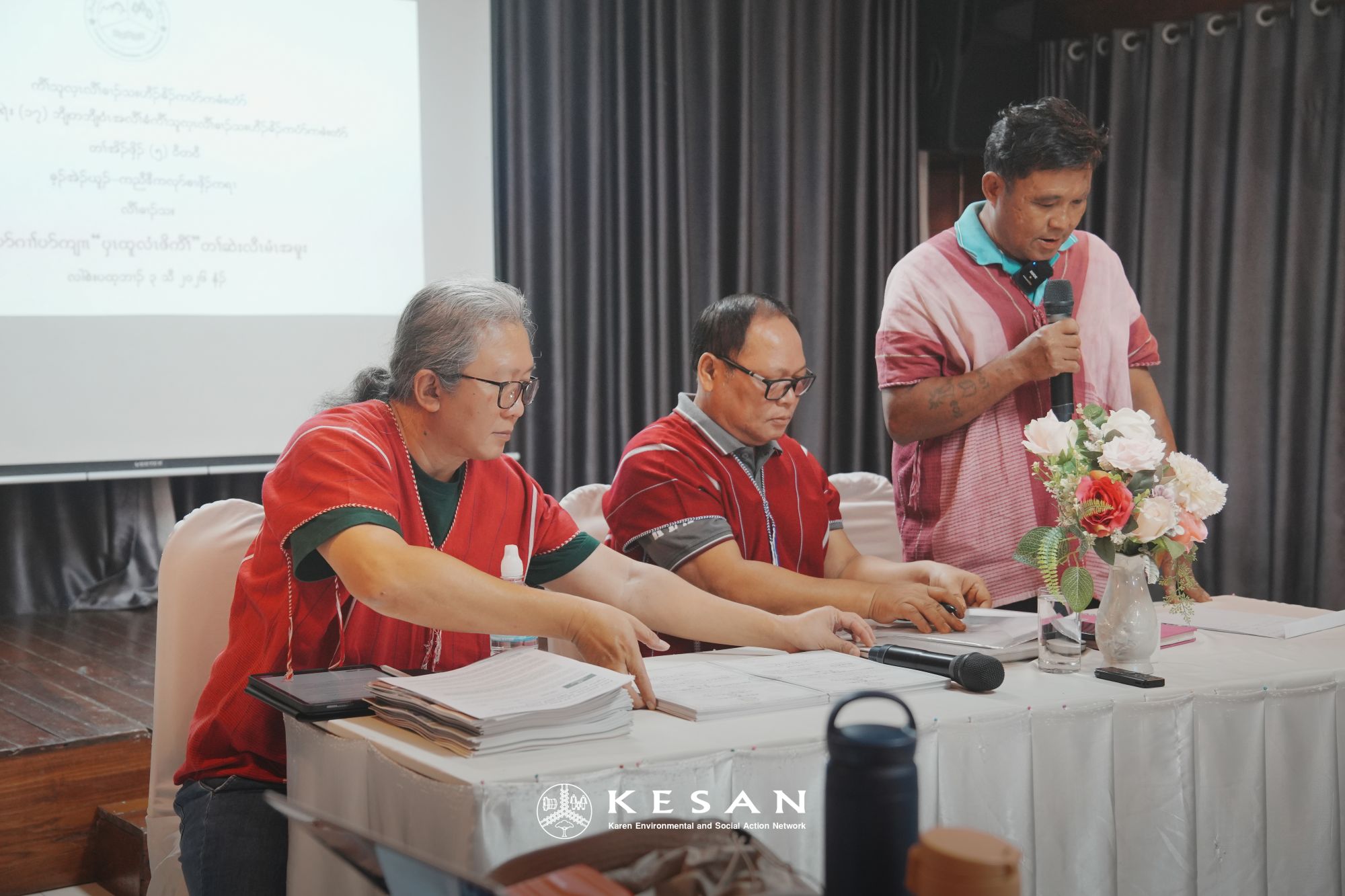
Big News: KNU Officially Recognizes 33 Indigenous Karen Territories in Kawthoolei
KAWTHOOLEI, 3 September 2026 – The Kawthoolei Central Land Committee (KCLC), a key land governance body of the Karen National Union (KNU), approved and signed customary land certificates for 33 Kaw, covering 380,984 acres of ancestral Karen territories across Kawthoolei, during the final day of the 5th KCLC Meeting held from 1 to 3 September…
Continue Reading Big News: KNU Officially Recognizes 33 Indigenous Karen Territories in Kawthoolei
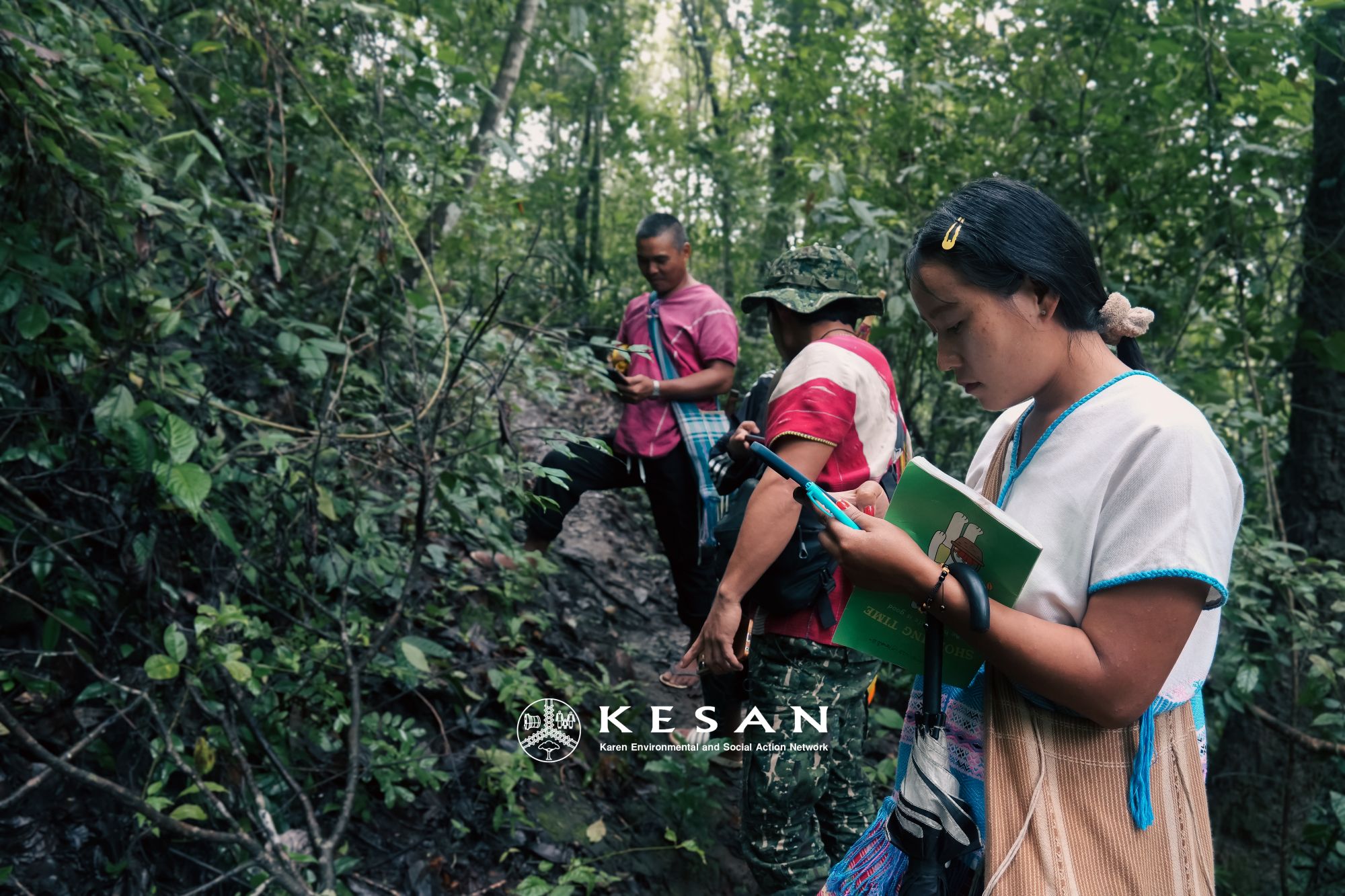
Learning Together for Better Community Forest Management
In July 2026, community forest committee members from across the Salween Peace Park gathered in two locations to strengthen their skills and share experiences in community forest management. The two five-day trainings brought together 92 participants, including representatives from 20 community forests, forest rangers, and staff from the Kawthoolei Forestry Department (KFD), Salween Peace Park…
Continue Reading Learning Together for Better Community Forest Management
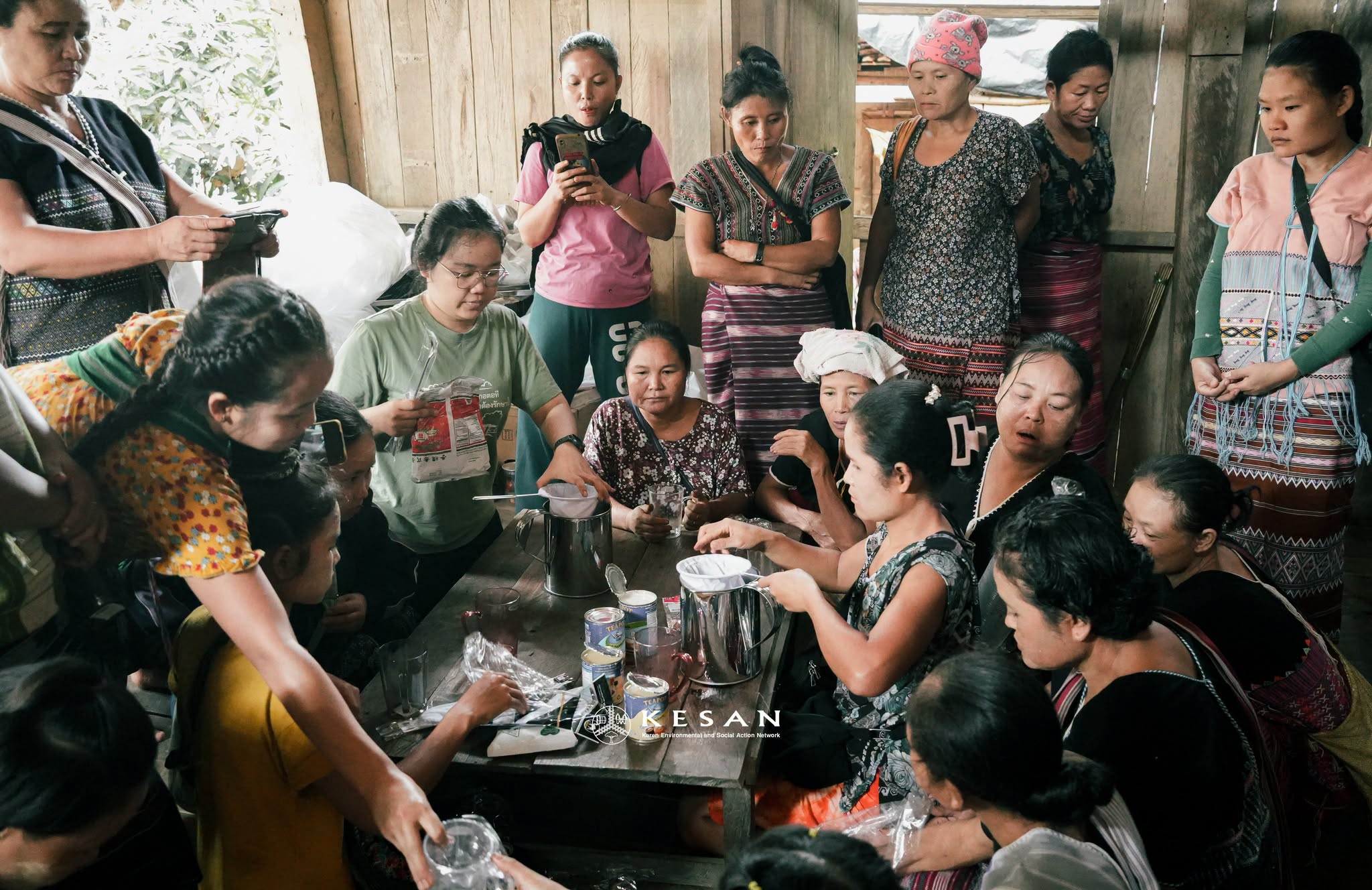
Mo Po Mu (Mommy’s Daughters) Women’s Group: Capacity-Building Training
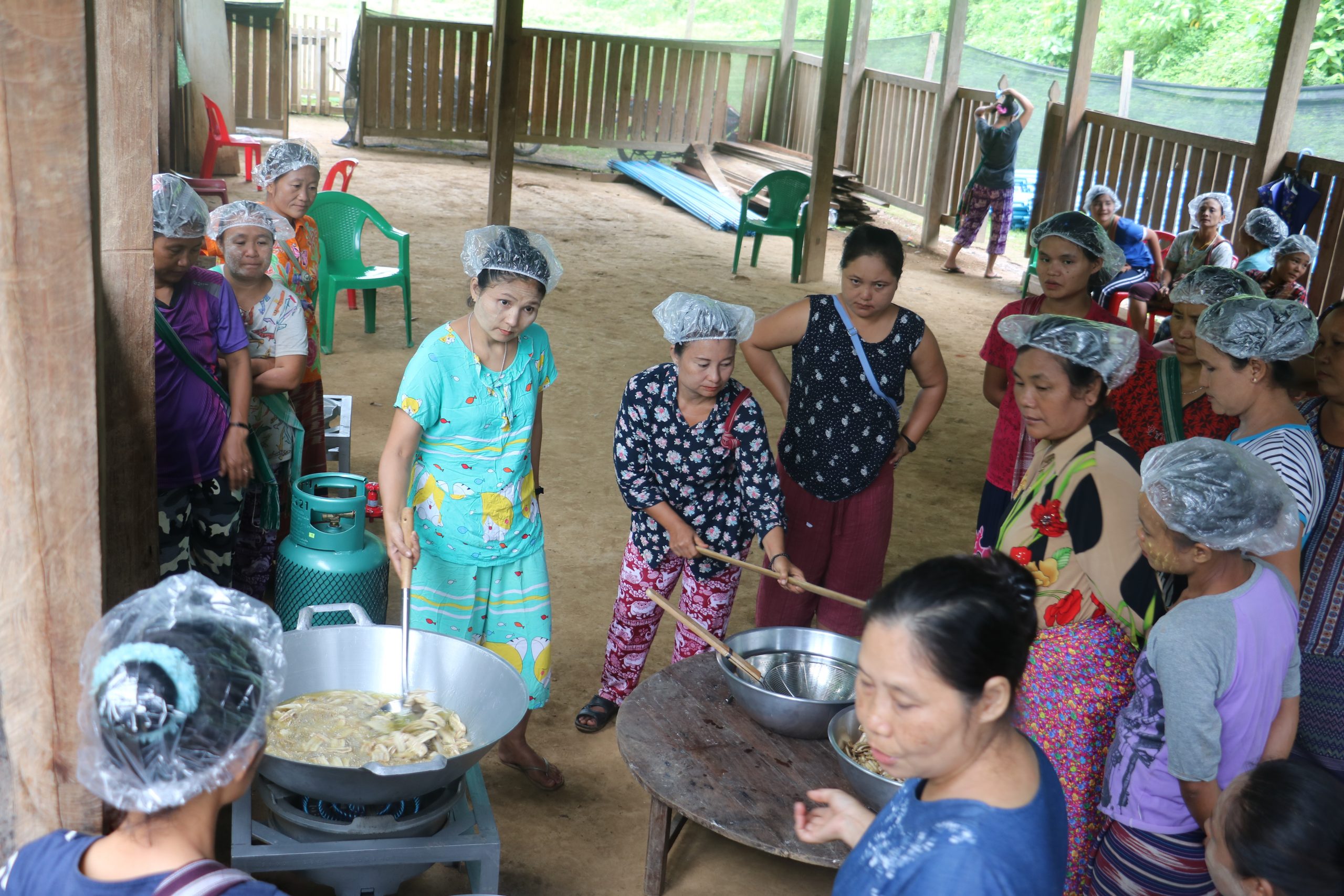
From 17-18 July 2026, KESAN’s Community Based Livelihoods Initiative (CBLI) team conducted a capacity building training with the Mo Po Mu (Mommy Daughter) Women’s Group at Ei Tu Hta Village, Bu Tho Township, Salween Peace Park, Mutraw District, Kawthoolei. With more than 30 Mo Po Mu members joining, the training aimed to build the capacity…
Continue Reading Mo Po Mu (Mommy’s Daughters) Women’s Group: Capacity-Building Training
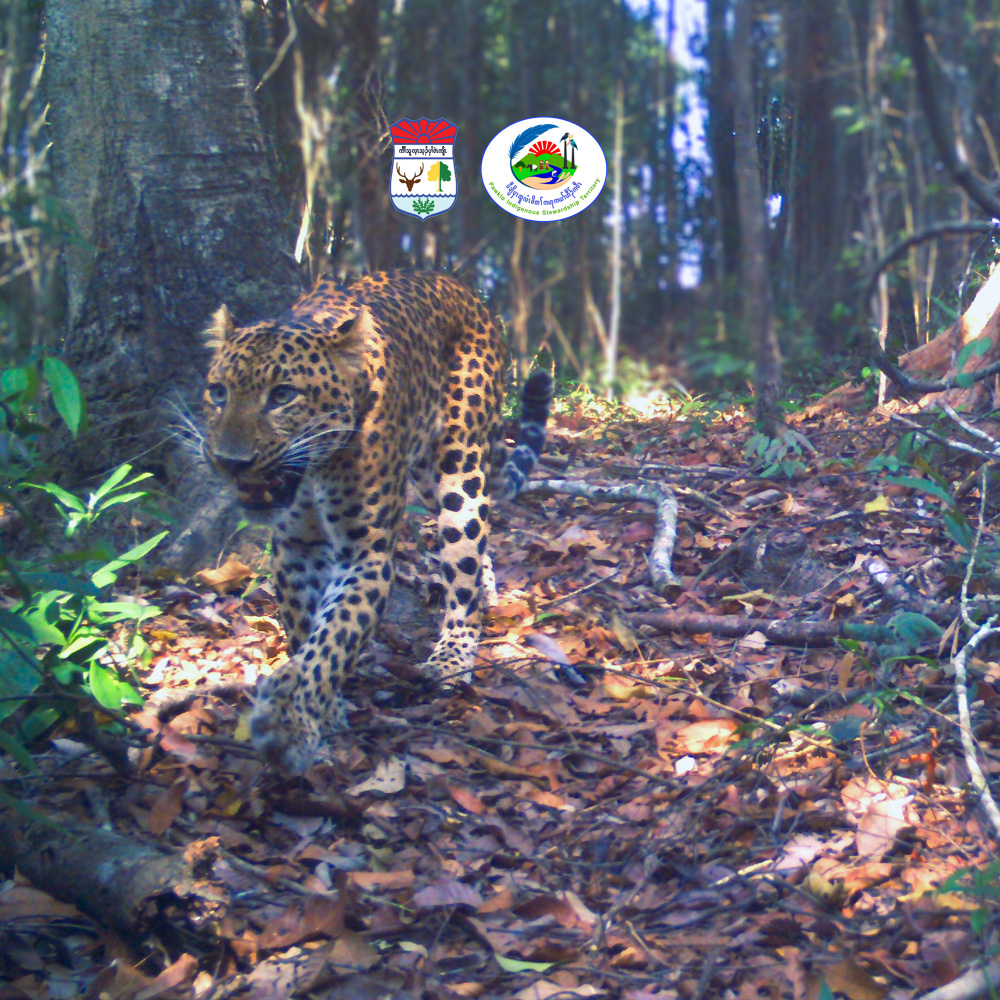
A Stronghold for Southeast Asia’s Vanishing Wildlife
Deep within Kawthoolei lies a rich and vibrant landscape where wildlife continues to survive despite growing threats across the region. In Mergui Tavoy District, one of the seven districts under the Karen National Union (KNU), the KNU and local Karen communities are continuing their efforts to establish the 1,300,000-acre Kser Doh Conservation Area (KCA). This…
Continue Reading A Stronghold for Southeast Asia’s Vanishing Wildlife
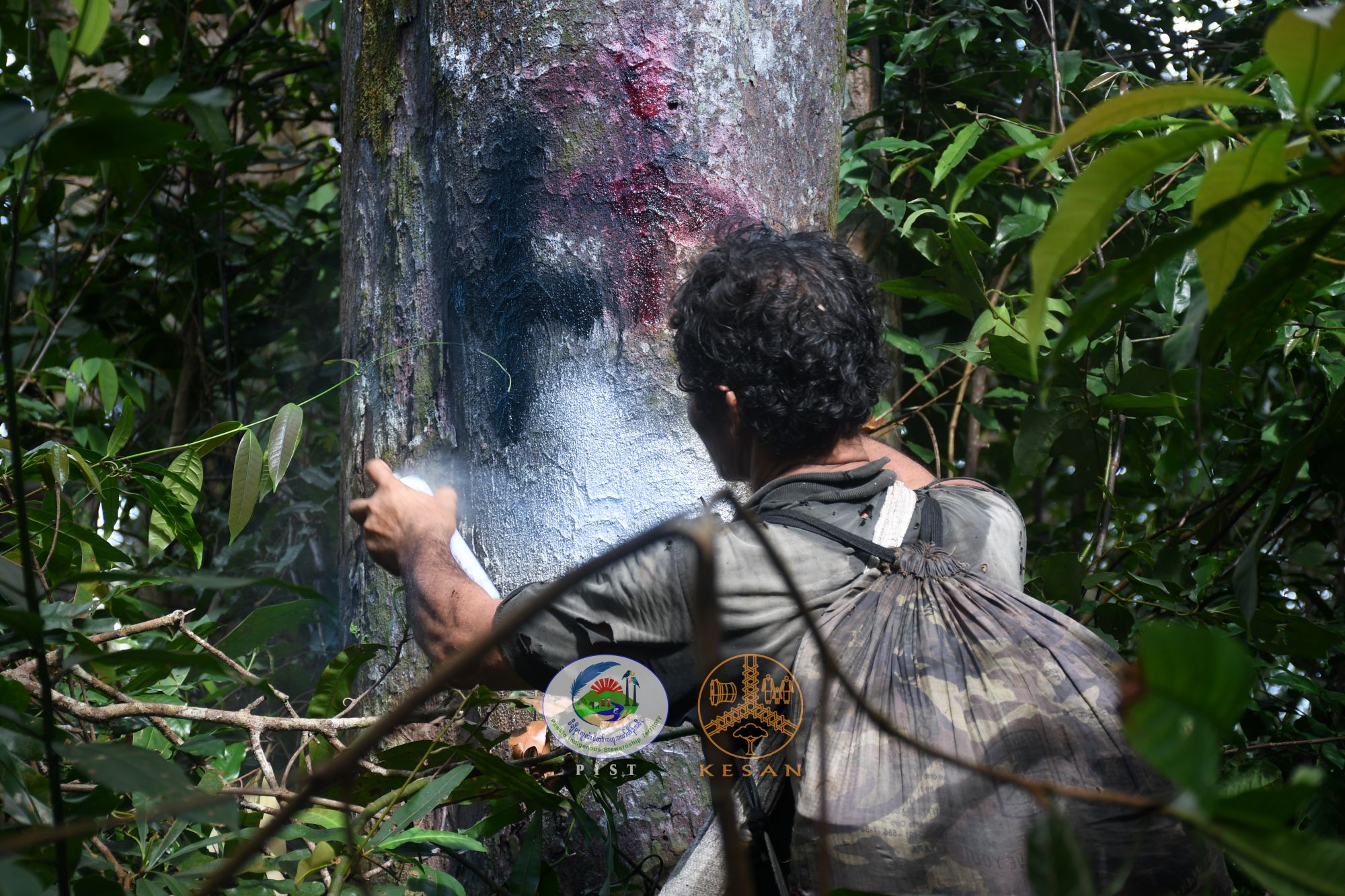
For Present and Future Generations: Community Forests in PIST
For generations, the Karen people have managed and protected their forests through community-based traditions rooted in collective responsibility and long-term care. In most villages, certain forest areas are set aside as community forests, protected not for profit, but for the survival and well-being of present and future generations. These community forests are governed by the…
Continue Reading For Present and Future Generations: Community Forests in PIST
Featured publications


