Community Based Livelihoods Initiatives
Strengthening livelihood through natural conservation
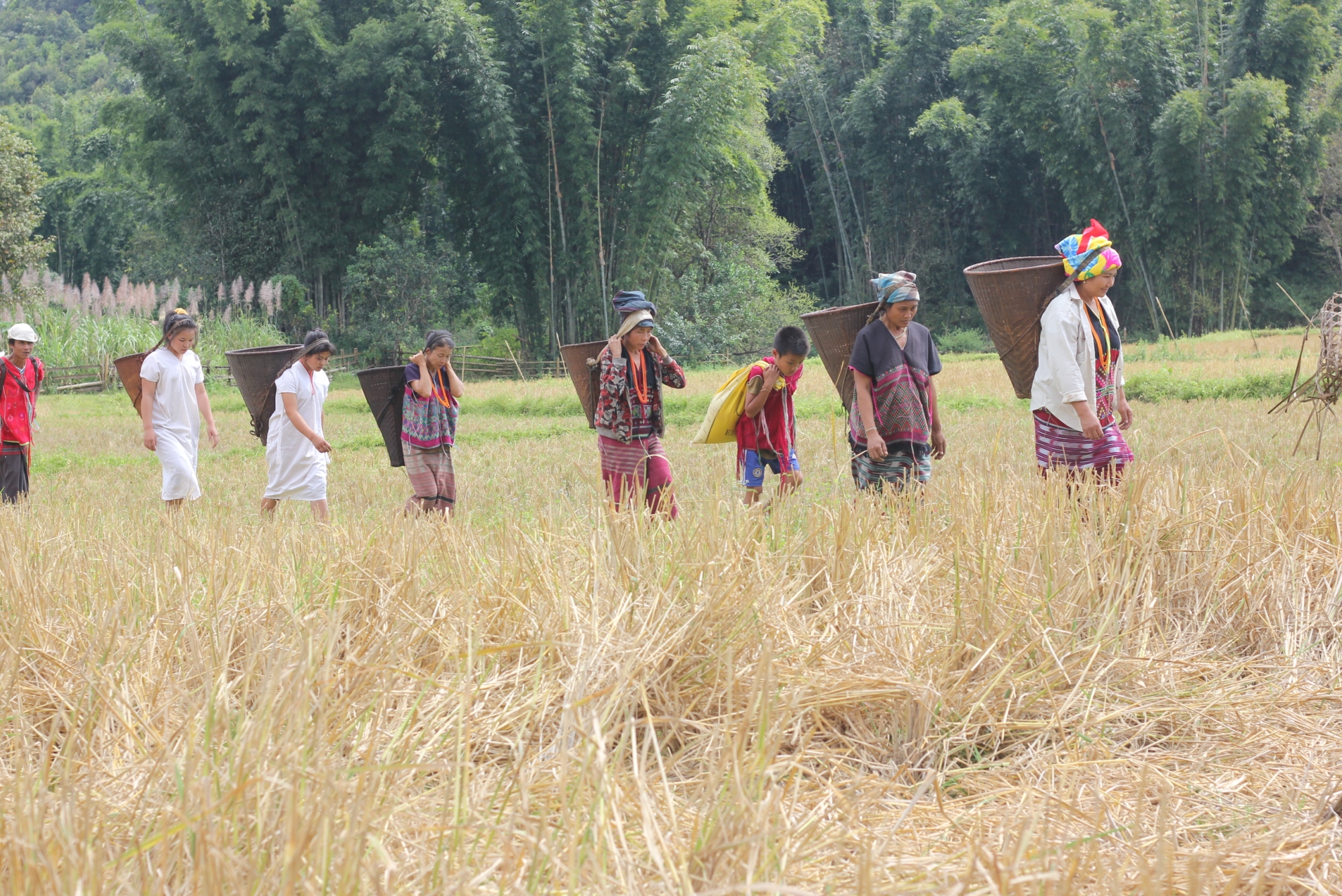
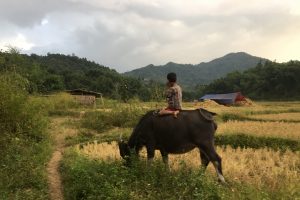
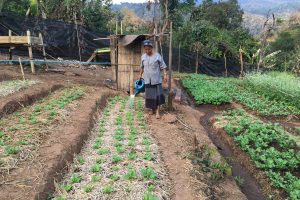
KESAN’s Community Based Livelihoods Initiative (CBLI) Program assists conflict-affected communities in Karen State to rehabilitate and restore their livelihoods and strengthen local food sovereignty based on sustainable agricultural practices and development of local livelihood opportunities.
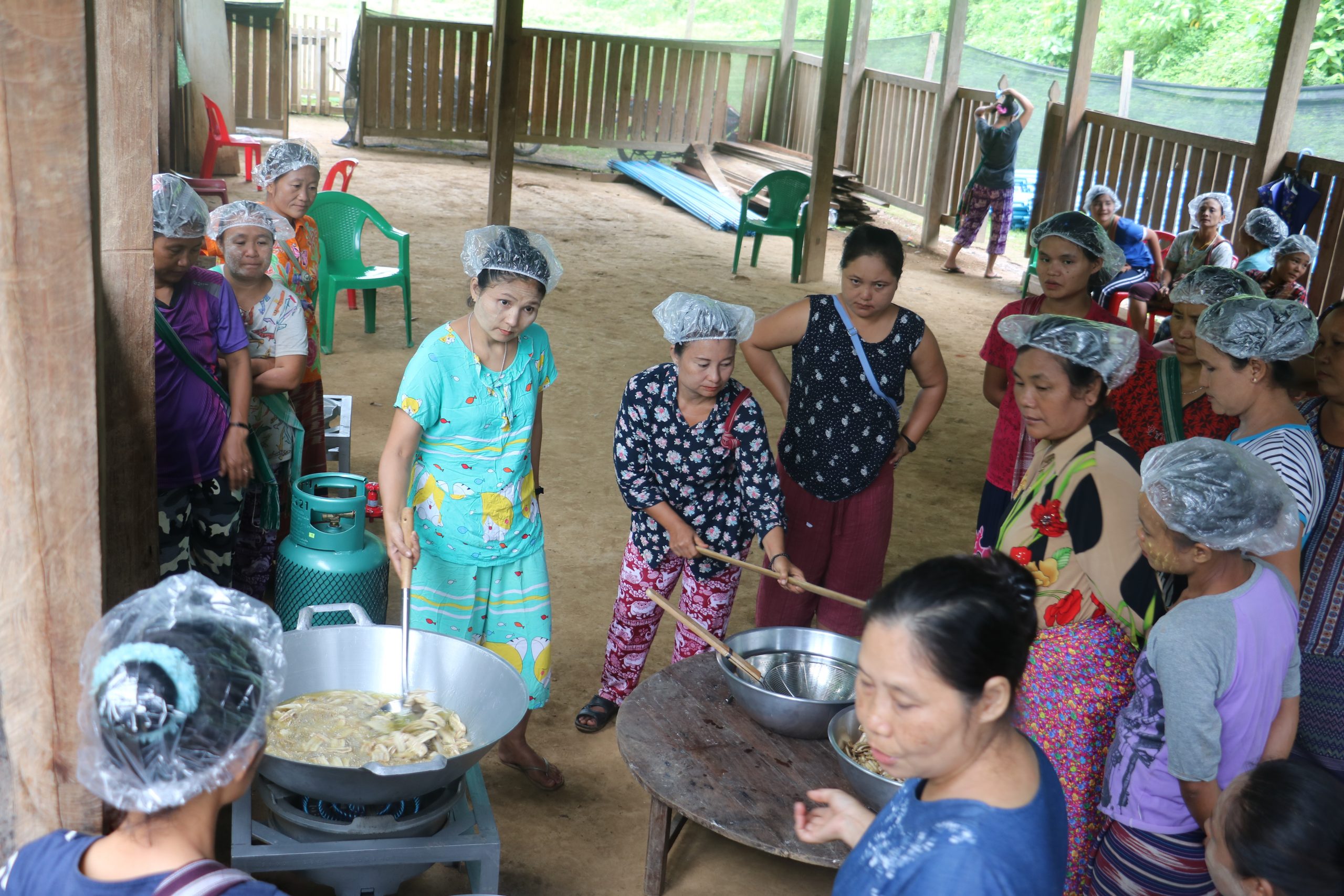
The main aim of the CBLI program is to support small-scale local interventions that will result in improved management of community natural resources, conservation of local biodiversity, preservation and promotion of Indigenous knowledge, empowerment of women, strengthened local livelihood security, and enhanced resilience for natural and human-caused disasters.
In this program, we work closely with ‘Cluster’ leaders. A cluster is composed of 20 to 30 villages, including villagers and local leaders. The CBLI program’s approach is to – first and foremost – respond to community needs, and then ensure that community members take the lead during project planning, implementation and monitoring in to empower and promote community ownership of projects thereby making CBLI interventions as socially and ecologically sustainable as possible.
News
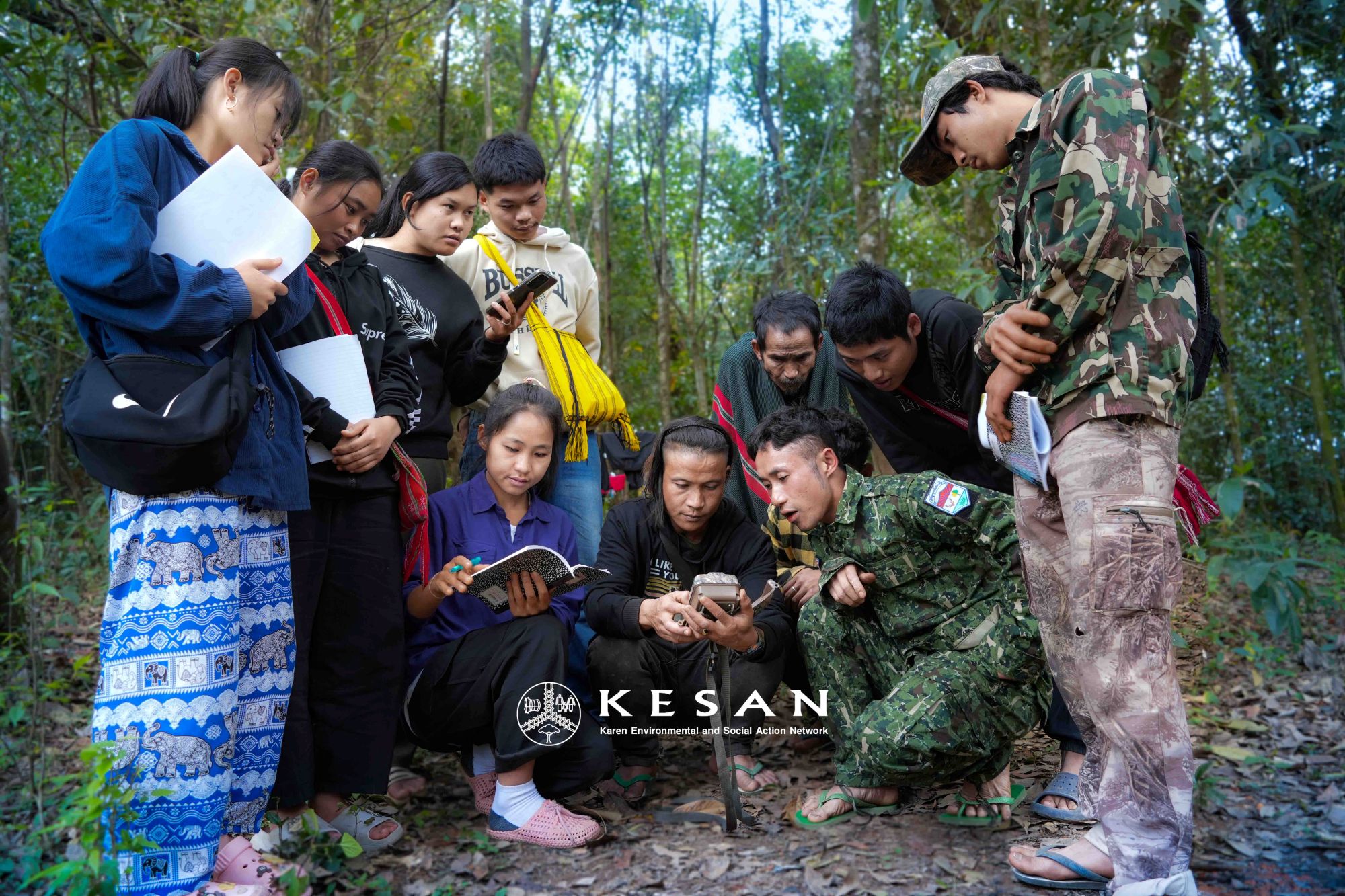
Strengthening Indigenous Biodiversity Research in the Salween Peace Park
From February 23rd to 28th, 2026, a biodiversity research training was conducted at the Kheshorter Community Forest Center in Paw Law Pu, Luthaw Township, located in the north‑western part of the Salween Peace Park. A total of 30 people joined the training, including members of the Women Research Team, officers from several departments of the…
Continue Reading Strengthening Indigenous Biodiversity Research in the Salween Peace Park
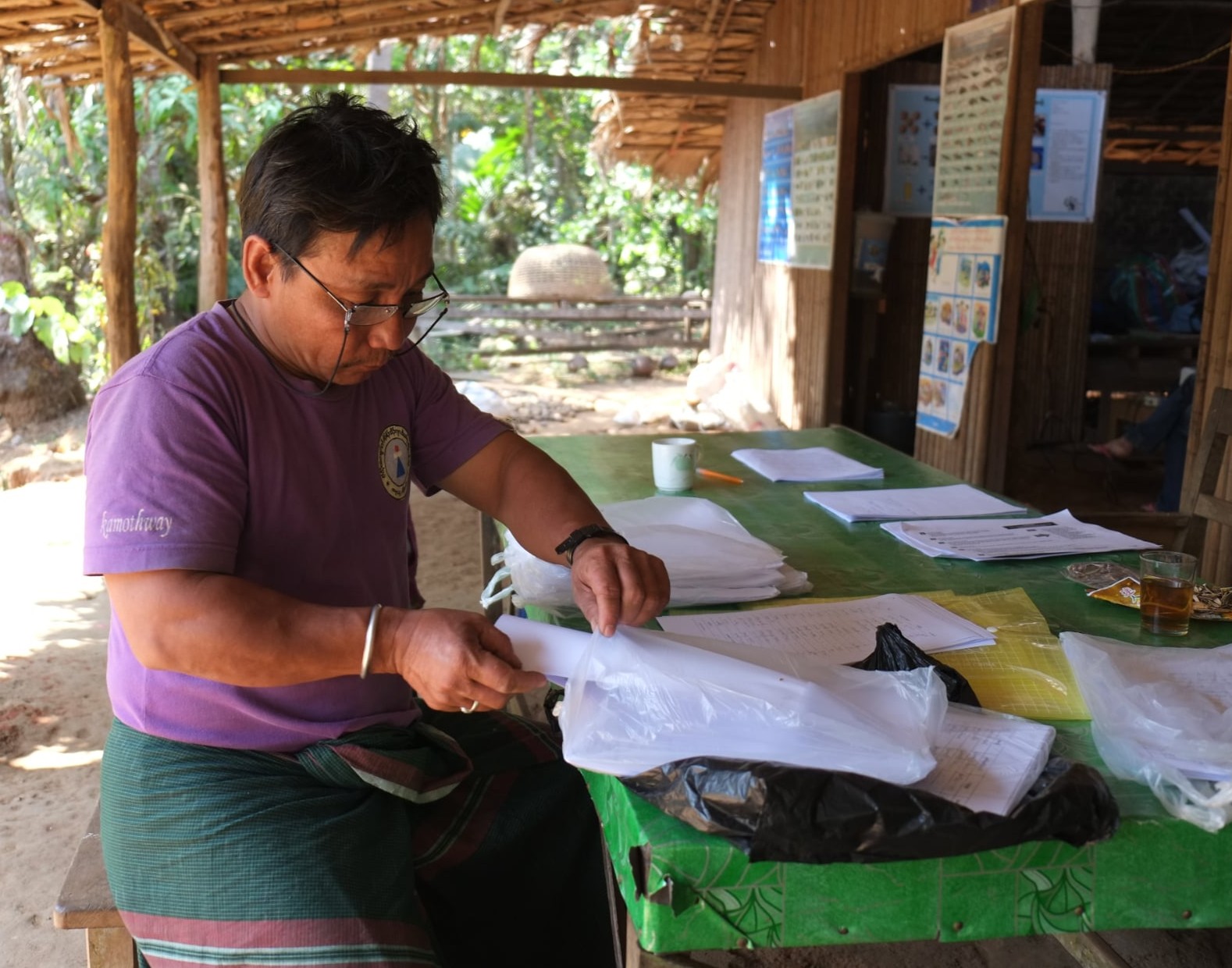
Honoring a Defender of Indigenous Rights:In Loving Memory of Saw Keh Doh (1967–2026)
The Karen Environmental and Social Action Network (KESAN) and the people of Ler Doh Soe Township, Mergui-Tavoy District, are mourning the loss of a dedicated community leader, caretaker, and Indigenous rights defender, Saw Keh Doh, who passed away from illness. Saw Keh Doh was born on May 31, 1967, to Naw Paw Lay Zar and…
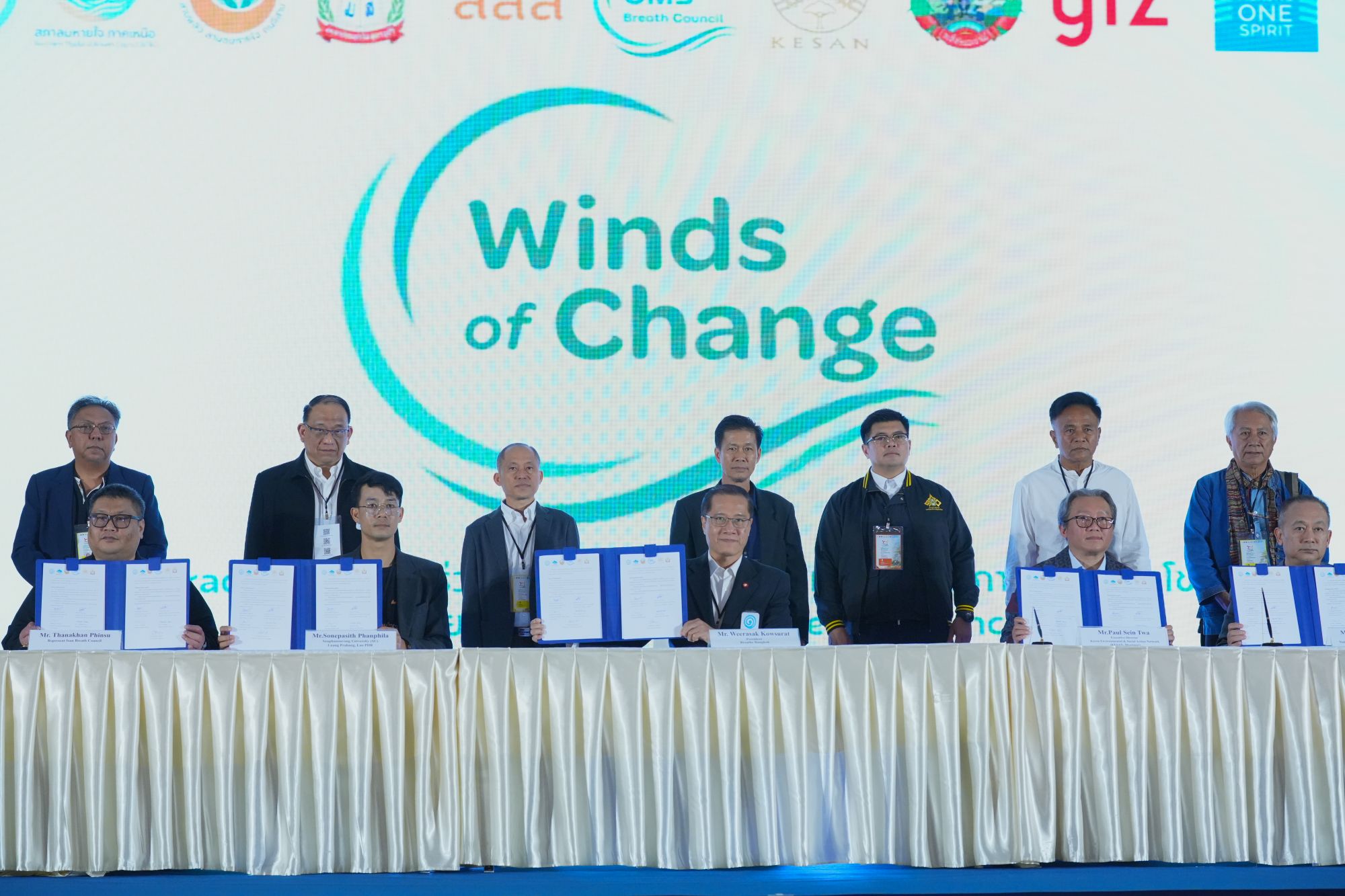
Regional Partnership Forms the Greater Mekong Subregion Breath Council to Tackle Air Pollution
On January 20, 2026, Mr. Paul Sein Twa, Executive Director of the Karen Environmental and Social Action Network (KESAN) and Director of the Salween Peace Park, joined civil society partners from Thailand and Laos in signing a Memorandum of Understanding (MOU) to establish the Greater Mekong River Subregion Breath Council (GMS Breath Council). This new…
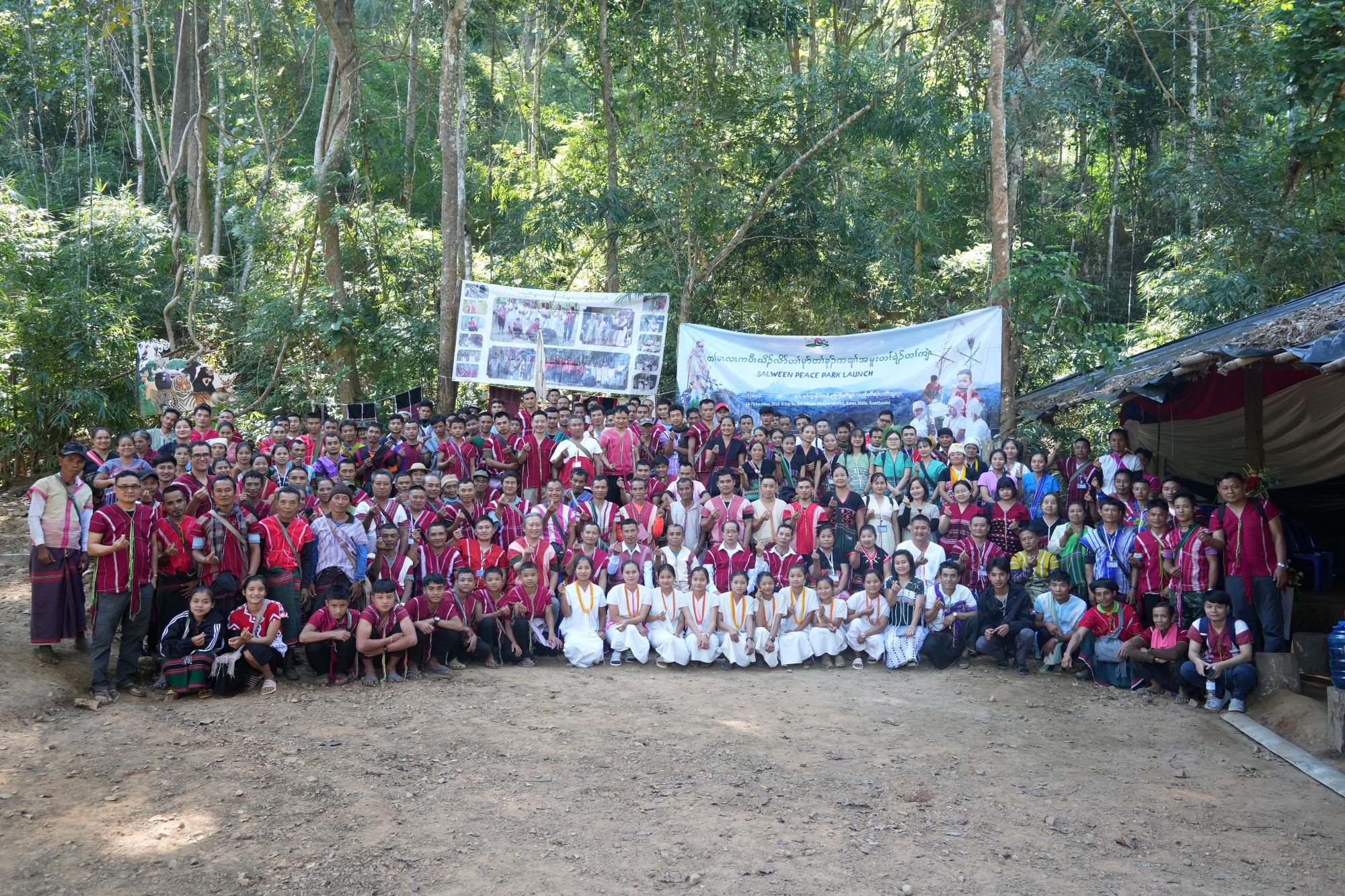
Press Release: Sixth General Assembly of the Salween Peace Park
Date: December 22, 2025 On December 17-19, 2025, as the Myanmar junta continued bombing and murdering civilians across Burma in ferocious attempts to retake liberated territory from resistance groups and impose its fake “election,” a very different exercise in grassroots democracy was taking place deep in the forests of Salween Peace Park, Kawthoolei. This was…
Continue Reading Press Release: Sixth General Assembly of the Salween Peace Park
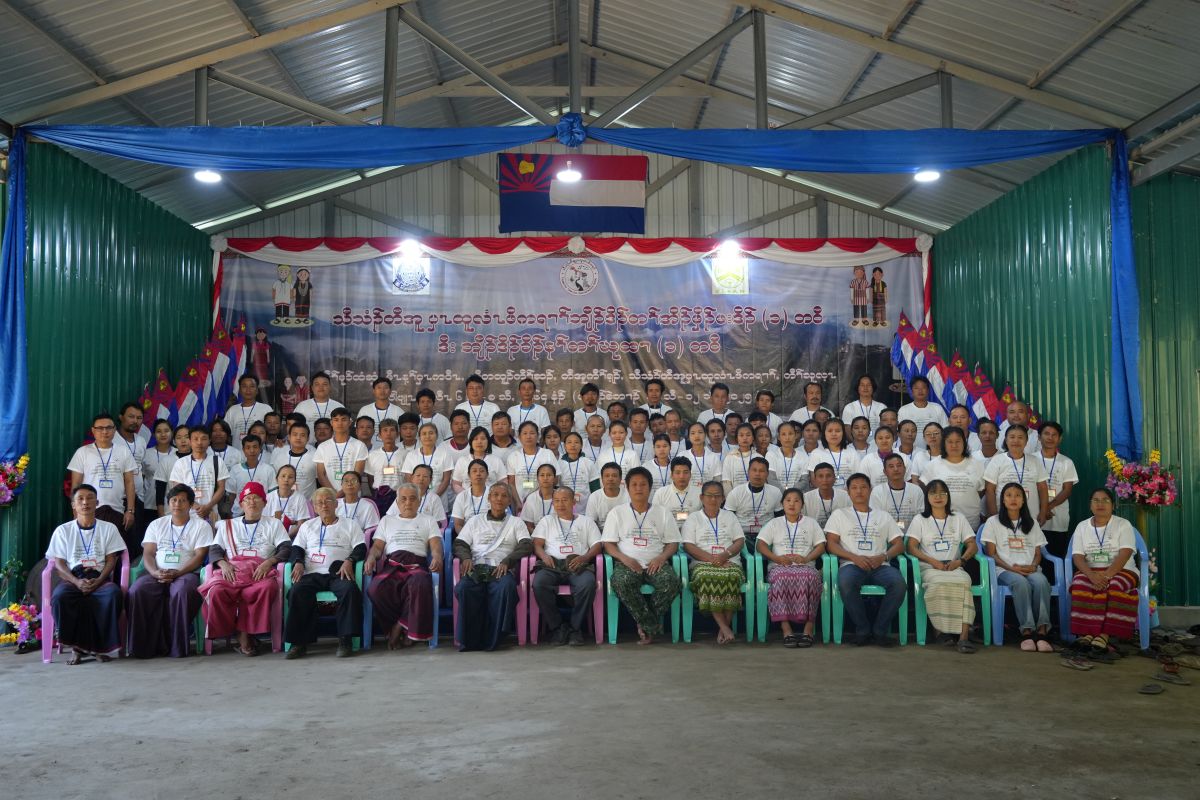
Building Federal Democratic Governance Through the Will of Communities in Thawthi Taw-Oo Indigenous Park
Date: 16, December 2025 While the ruling military junta continue to push for their illegitimate election, scheduled from late December 2025 to January 2026, we, the Indigenous people of the Thawthi Taw-Oo Indigenous Park (TTIP) in Kawthoolei under the administration of the Karen National Union, have successfully completed the final election of the TTIP Governing…
Honoring our protectors – Salween Peace Park
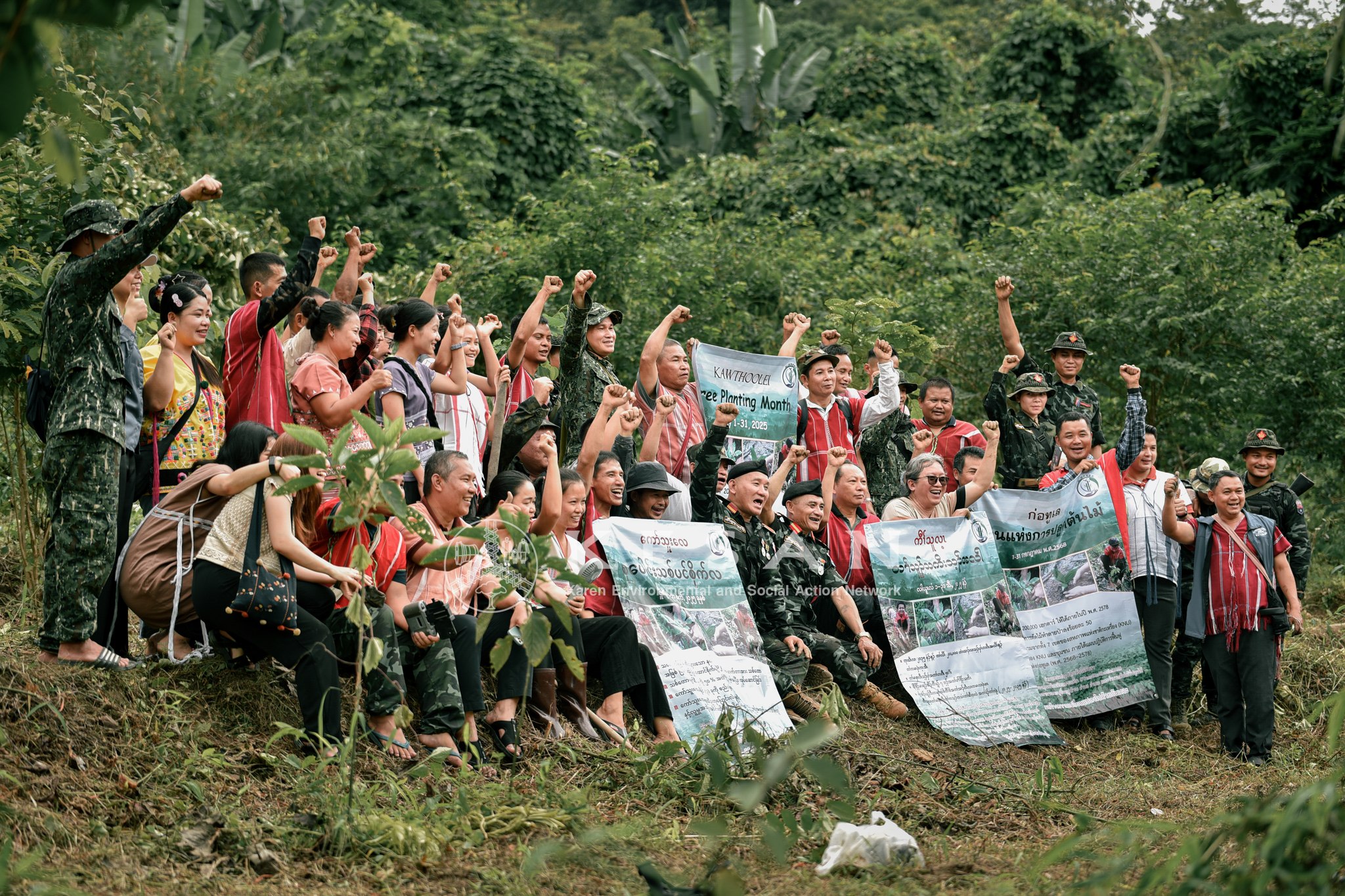
On July 5, 2025, a special ceremony was held in the Salween Peace Park to honor both the Kawthoolei Armed Forces and the Trees—two protectors of the land and people. The Karen National Union (KNU) and local communities came together to plant trees not just for shade or fruit, but for climate resilience, cultural identity,…
Continue Reading Honoring our protectors – Salween Peace Park
Featured publications


